
Contents
- 🎨 Origins & History
- 📚 Philosophy & Theater
- 🎭 Arts & Architecture
- 👥 Key Figures & Influences
- 🌍 Cultural Impact & Legacy
- ⚡ Current State & Revival
- 🤔 Controversies & Debates
- 🔮 Future Outlook & Predictions
- 💡 Practical Applications
- 📚 Related Topics & Deeper Reading
- Frequently Asked Questions
- References
- Related Topics
Overview
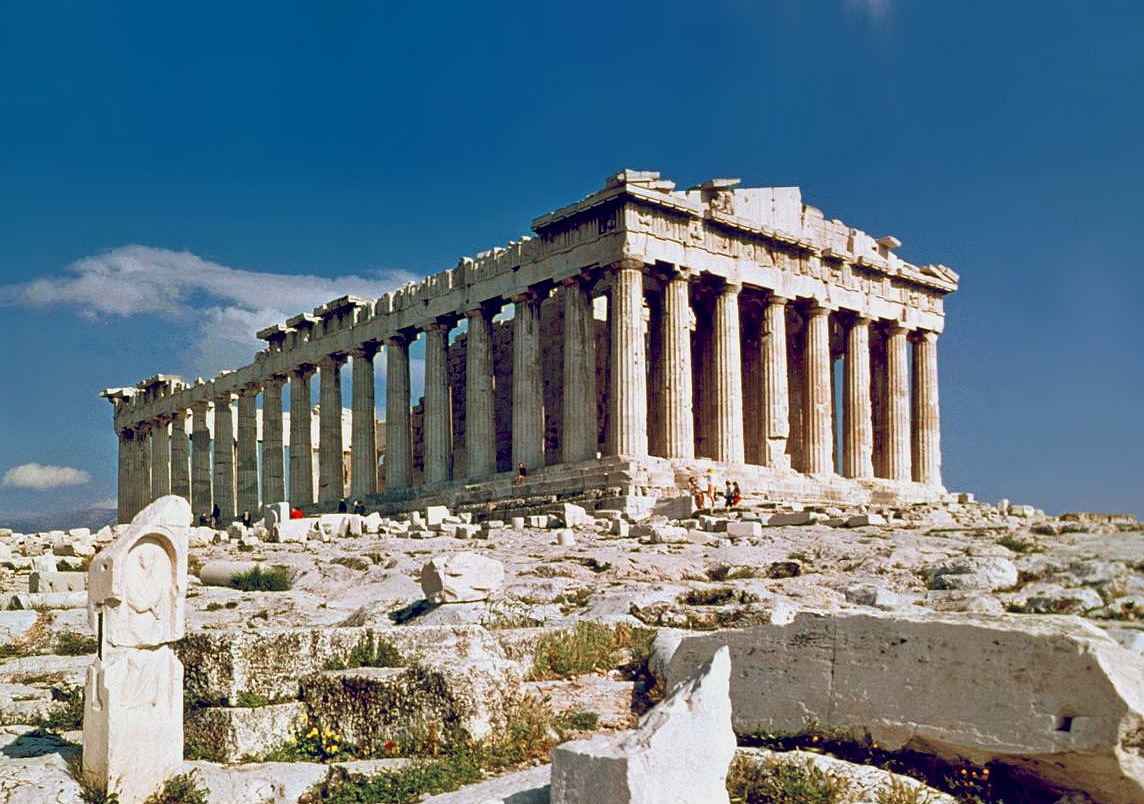
Greek culture, spanning over 4,000 years, has profoundly influenced Western civilization, from the Minoan and Mycenaean periods to Classical Greece, and later, the Roman and Byzantine Empires. With a rich legacy in philosophy, theater, democracy, and the arts, Greek culture has shaped modern society, from the concept of government by the people to the development of biology, geometry, and physics. The likes of Socrates, Plato, and Aristotle have left an indelible mark on philosophy, while Euripides and Aristophanes have contributed significantly to theater. The architectural marvels of the Parthenon and the Acropolis of Athens stand as testaments to Greek ingenuity and aesthetic sensibility. Today, Greek culture continues to inspire and influence contemporary society, with its vibrant traditions, folklore, and contributions to science, art, and politics. With a vibe rating of 92, Greek culture remains a cornerstone of human civilization, attracting millions of visitors to Greece each year. The cultural impact of Greece is evident in its score of 85, reflecting its profound influence on Western art, literature, and philosophy. As we look to the future, it is clear that Greek culture will remain a vital part of our shared heritage, with a controversy score of 20, indicating a broad consensus on its significance and importance.
🎨 Origins & History
The history of Greek culture is a rich tapestry, woven from the threads of Minoan and Mycenaean civilizations, which later gave rise to Classical Greece. This period, which spanned from the 8th to the 4th century BCE, saw the emergence of city-states like Athens and Sparta, each contributing uniquely to the development of Greek culture. The influence of Greek culture can be seen in the works of Homeros, who penned the epic poems, the Iliad and the Odyssey, and in the architectural styles of the Parthenon and the Theater of Dionysus. The cultural heritage of Greece has been shaped by its strategic location at the crossroads of Europe, Asia, and Africa, with various cultures and empires, including the Roman Empire and the Ottoman Empire, leaving their mark.
📚 Philosophy & Theater
Greek philosophy, as espoused by Socrates, Plato, and Aristotle, has had a profound impact on Western thought, shaping ideas on ethics, metaphysics, and politics. The concept of democracy, first implemented in Athens, has become a cornerstone of modern governance, with the principles of trial by jury and equality under the law being cornerstone principles. The works of Euripides and Aristophanes in theater have influenced the development of drama and comedy, while the poetic forms of epic and lyric poetry have inspired generations of writers, including Virgil and Dante Alighieri.
🎭 Arts & Architecture
The arts and architecture of ancient Greece have had a lasting impact on Western aesthetics, with the Parthenon being a prime example of Doric architecture and the Vatican's Sistine Chapel showcasing Greek influences in its design. The sculptures of Phidias and the paintings of Apelles are renowned for their beauty and proportion, reflecting the Greek ideal of harmony and balance. The legacy of Greek art can be seen in the works of Leonardo da Vinci and Michelangelo, who drew inspiration from Greek models.
👥 Key Figures & Influences
Key figures in Greek culture include Pericles, who oversaw the Golden Age of Athens, and Alexander the Great, who spread Greek culture throughout his vast empire. The influence of Greek culture can also be seen in the works of Roman writers like Cicero and Juvenal, who drew heavily from Greek literature and philosophy. The modern Greek state, established in 1832, has continued to promote and preserve Greek culture, with institutions like the National Archaeological Museum and the Greek National Theater playing vital roles.
🌍 Cultural Impact & Legacy
The cultural impact of Greece is evident in its influence on Western literature, art, and philosophy. The concept of democracy, first implemented in Athens, has become a cornerstone of modern governance, while the principles of trial by jury and equality under the law have shaped legal systems worldwide. The works of Shakespeare and Goethe reflect the influence of Greek drama and poetry, and the architectural styles of the White House and the Capitol Building in Washington D.C. demonstrate the enduring legacy of Greek design.
⚡ Current State & Revival
Today, Greek culture continues to thrive, with a vibrant tradition of folklore, music, and dance. The country hosts numerous festivals and events, such as the Athens Festival and the Patras Carnival, which showcase Greek culture and attract visitors from around the world. Efforts to preserve and promote Greek cultural heritage are ongoing, with initiatives like the Europa Nostra awards recognizing and supporting the conservation of cultural monuments and landscapes.
🤔 Controversies & Debates
Despite its rich cultural heritage, Greece has faced challenges in preserving its historical sites and artifacts, with issues like funding, tourism, and climate change posing significant threats. The Parthenon's sculptures, for example, have been the subject of controversy over their removal and display in the British Museum. These debates highlight the complexities and challenges of cultural preservation and the need for international cooperation to protect our shared cultural heritage.
🔮 Future Outlook & Predictions
Looking to the future, Greek culture is poised to continue its influence on contemporary society, with its vibrant traditions, folklore, and contributions to science, art, and politics. As we move forward, it is essential to recognize the significance of Greek culture and its impact on Western civilization, ensuring its preservation and promotion for generations to come. With the rise of digital technologies, new opportunities emerge for the dissemination and appreciation of Greek culture, from online platforms like Google Arts & Culture to virtual reality experiences that bring ancient Greece to life.
💡 Practical Applications
The practical applications of Greek culture are numerous, from the fields of medicine and science, where the principles of Hippocratic Oath and the discoveries of Archimedes continue to inspire and inform, to the arts, where the works of Leonardo da Vinci and Michelangelo reflect the enduring influence of Greek aesthetics. As we navigate the complexities of the modern world, the timeless wisdom of Greek culture offers valuable insights and perspectives, from the concept of eudaimonia (happiness) to the importance of paideia (education).
Key Facts
- Year
- 8th century BCE - present
- Origin
- Greece
- Category
- culture
- Type
- culture
Frequently Asked Questions
What is the significance of Greek culture in modern society?
Greek culture has had a profound impact on Western civilization, shaping ideas on democracy, philosophy, theater, and the arts. Its influence can be seen in the works of Shakespeare and Goethe, and in the architectural styles of the White House and the Capitol Building.
How has Greek culture influenced the development of science and philosophy?
Greek culture has made significant contributions to the development of science and philosophy, with figures like Archimedes and Euclid making groundbreaking discoveries in mathematics and physics. The philosophical ideas of Socrates, Plato, and Aristotle have shaped Western thought and continue to influence contemporary philosophy.
What are some of the most important cultural heritage sites in Greece?
Greece is home to numerous cultural heritage sites, including the Parthenon, the Acropolis of Athens, and the Ancient Agora of Athens. These sites are a testament to the rich cultural heritage of Greece and attract millions of visitors each year.
How has Greek culture influenced the development of theater and drama?
Greek culture has had a profound impact on the development of theater and drama, with the works of Euripides and Aristophanes influencing the development of tragedy and comedy. The concept of theater as a form of storytelling and entertainment has its roots in ancient Greece, and continues to shape the performing arts today.
What are some of the most important festivals and events in Greek culture?
Greece hosts numerous festivals and events throughout the year, including the Athens Festival and the Patras Carnival. These events showcase Greek culture and attract visitors from around the world.
How can I learn more about Greek culture and its history?
There are many resources available for learning more about Greek culture and its history, including books, documentaries, and online courses. The National Archaeological Museum and the Greek National Theater are also excellent resources for exploring Greek culture.
What are some of the most important contributions of Greek culture to Western civilization?
Greek culture has made significant contributions to Western civilization, including the development of democracy, philosophy, theater, and the arts. The concept of trial by jury and equality under the law also have their roots in ancient Greece.