
Contents
Overview
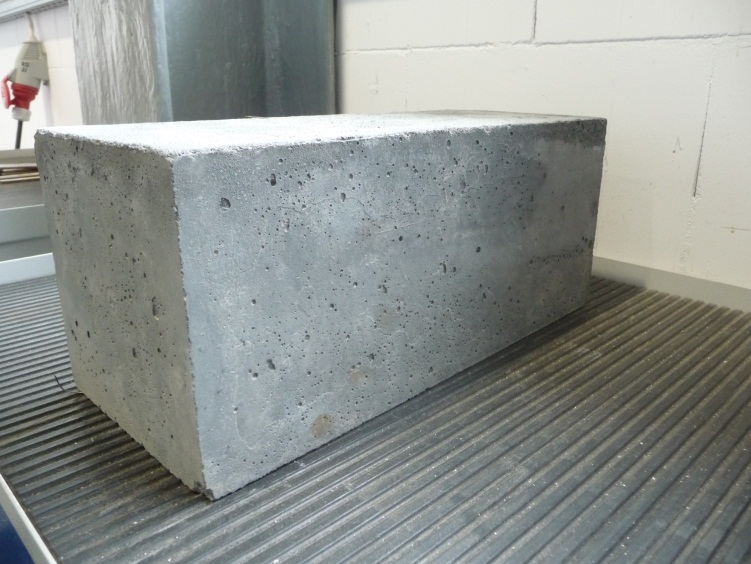
Concrete's production and use have significant environmental implications. With its widespread use in construction, concrete has become an essential component of modern infrastructure, from buildings and bridges to roads and dams. The mixture of aggregate, dry Portland cement, and water forms a fluid slurry that can be poured and molded into shape, allowing for a variety of tooled processes and applications. Despite challenges, concrete continues to play a vital role in shaping our built environment, with ongoing research and development focused on improving its sustainability and performance.
Origins & History
Concrete's history dates back to ancient civilizations, with the earliest known use of concrete-like materials found in ancient Egypt and Rome. The Pantheon in Rome is a notable example of the use of concrete. Today, concrete is used in a wide range of applications, from building foundations and walls to bridges and highways.
How It Works
The production of concrete involves mixing aggregate, such as sand or gravel, with dry Portland cement and water. The mixture forms a fluid slurry that can be poured and molded into shape, allowing for a variety of tooled processes and applications. The cement reacts with the water through a process called hydration, which hardens it after several hours to form a solid matrix that binds the materials together.
Key Facts & Numbers
The use of recycled aggregate and low-carbon cement is becoming increasingly popular, reportedly due to their potential to reduce the environmental impact of concrete production. The development of new technologies, such as 3D printing and self-healing concrete, is also expected to have a significant impact on the industry, with potential applications in construction, architecture, and engineering.
Key People & Organizations
Concrete has had a significant impact on modern society, with its use in construction and infrastructure development transforming the way we live and work. The Burj Khalifa in Dubai is a notable example of the use of concrete. The use of concrete has also had a significant impact on the environment, with ongoing research and development focused on improving its sustainability.
Cultural Impact & Influence
The current state of the concrete industry is one of ongoing innovation and development, with new technologies and techniques being developed to improve the sustainability and performance of concrete. The use of recycled aggregate and low-carbon cement is becoming increasingly popular, and the development of new technologies is expected to have a significant impact on the industry.
Current State & Latest Developments
Despite its many benefits, the use of concrete has also been the subject of controversy and debate. However, ongoing research and development are focused on improving the sustainability of concrete, with the use of recycled aggregate and low-carbon cement becoming increasingly popular.
Controversies & Debates
The future outlook for the concrete industry is one of ongoing innovation and development, with new technologies and techniques being developed to improve the sustainability and performance of concrete. The use of recycled aggregate and low-carbon cement is expected to become increasingly popular, and the development of new technologies is expected to have a significant impact on the industry.
Future Outlook & Predictions
Concrete has a wide range of practical applications, from building foundations and walls to bridges and highways. The use of concrete is also becoming increasingly popular in the development of sustainable infrastructure, with the use of recycled aggregate and low-carbon cement becoming more widespread.
Practical Applications
For those looking to learn more about concrete, there are a number of related topics and deeper reading paths to explore. These include the environmental implications of concrete production and use, as well as the development of new technologies and techniques to improve its sustainability and performance.
Key Facts
- Category
- technology
- Type
- topic