
Contents
Overview
Congestion pricing, also known as road pricing or a congestion charge, is an economic strategy that levies fees on users of public goods experiencing high demand, most notably roads in urban centers. The core principle is to manage demand by making users pay for the negative externalities, such as pollution and lost time, they impose on others during peak periods. By introducing a price for driving in congested zones, the aim is to encourage a shift in travel behavior, either by rerouting traffic, encouraging off-peak travel, or promoting alternative transportation like public transit, cycling, or walking. While lauded by economists for its efficiency in reducing gridlock and emissions, it often sparks fierce public debate over equity, fairness, and the potential economic impact on businesses and low-income residents. The concept has seen implementation in cities worldwide, from Singapore to London to New York City, each with unique models and varying degrees of success.
🎵 Origins & History
The theoretical underpinnings of congestion pricing trace back to the work of economists like Arthur Pigou in the early 20th century, who identified the concept of negative externalities – costs imposed on third parties by an economic activity. Pigou argued that activities creating such externalities, like driving in congested cities, should be taxed to align private costs with social costs. However, the practical implementation of road pricing remained largely theoretical until later. London introduced its first congestion charge zone in 2003, under Mayor Ken Livingstone, marking a significant milestone in modern urban traffic management. This move was heavily influenced by earlier experiments and academic research, demonstrating a growing global recognition of traffic as a solvable problem through market-based mechanisms.
⚙️ How It Works
Congestion pricing systems typically operate by designating a specific geographic zone within a city where drivers are charged a fee for entering or driving within during certain hours, usually peak times. The technology employed can range from manual toll booths to advanced automatic number plate recognition (ANPR) cameras and GPS-based systems. Drivers are often required to register their vehicles and pay the charge online, via an app, or through designated payment points. The pricing structure can vary significantly: some systems use a flat fee, while others implement variable pricing based on the time of day, day of the week, or even the level of congestion detected by sensors. Revenue generated is typically earmarked for improvements in public transportation, cycling infrastructure, or other sustainable transport initiatives within the charging zone, creating a virtuous cycle of reduced car use and enhanced alternatives.
📊 Key Facts & Numbers
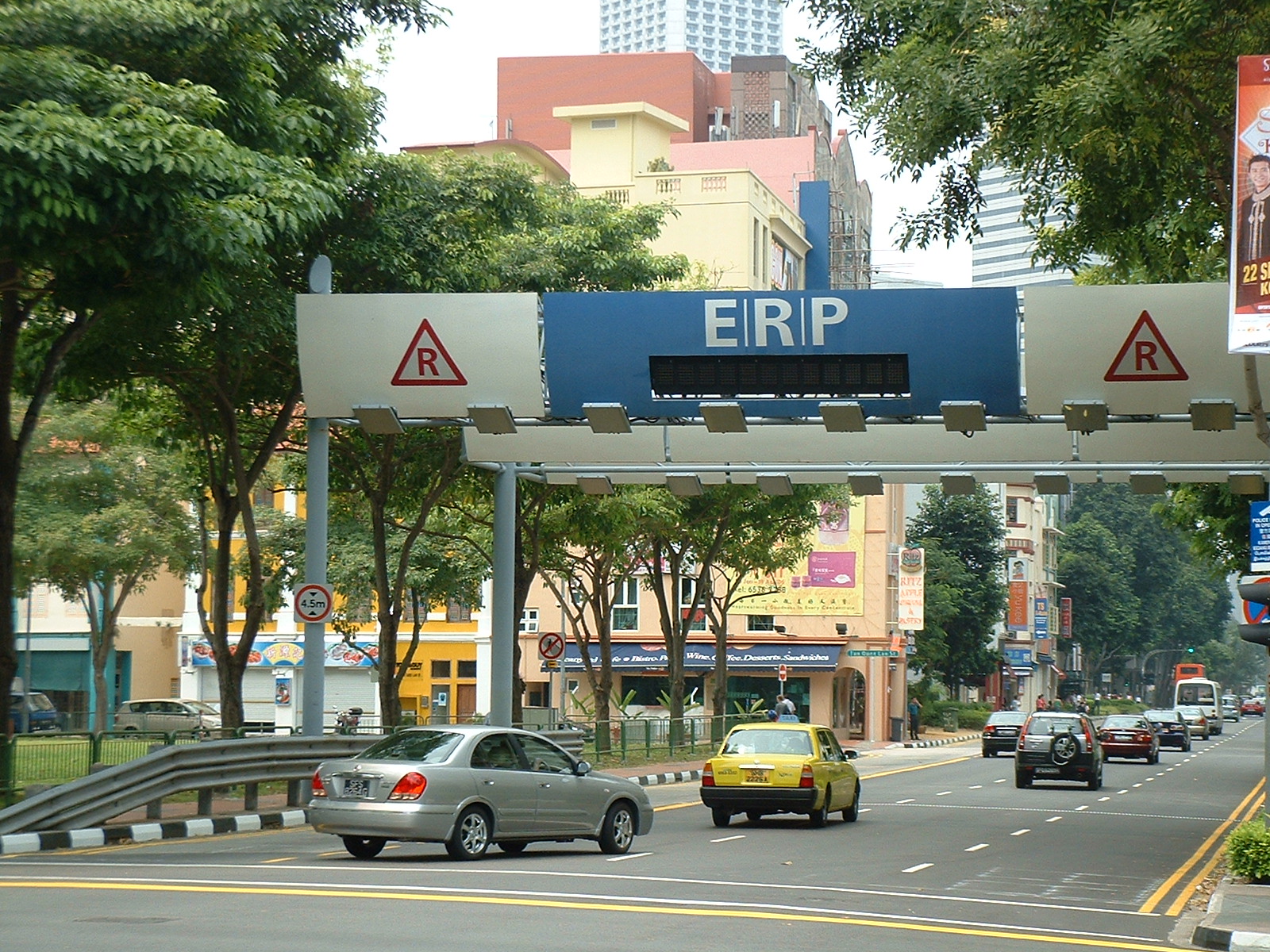
Globally, several major cities have implemented some form of congestion pricing. Stockholm's congestion tax, implemented in 2007, reportedly led to a decrease in traffic and an increase in public transport usage. Singapore's Electronic Road Pricing (ERP) system has been credited with reducing traffic speeds during peak hours. In New York City, the proposed Central Business District tolling program aims to generate annual revenue for the Metropolitan Transportation Authority (MTA).
👥 Key People & Organizations
Key figures in the development and advocacy of congestion pricing include William Vickrey, a Nobel laureate economist whose work laid much of the groundwork. Ken Livingstone championed London's congestion charge, facing significant political opposition. Organizations like the International Transport Forum (ITF) and the Transportation Research Board (TRB) have published extensive research and policy recommendations on the topic. The Metropolitan Transportation Authority (MTA) in New York is a key player in the ongoing implementation debates.
🌍 Cultural Impact & Influence
Congestion pricing has profoundly influenced urban planning and public discourse on mobility. It has shifted the conversation from simply building more roads to managing existing infrastructure more efficiently. The success of schemes in cities like London and Stockholm has inspired similar initiatives in other major metropolises, including New York, Milan, and potentially Los Angeles. Culturally, it has fostered a greater appreciation for public transit and active transport modes, with campaigns often highlighting the benefits of cleaner air and more pedestrian-friendly streets. However, it has also generated significant public backlash, often framed as an unfair tax on drivers, particularly those with fewer transportation alternatives, as seen in the protests against London's expansion of its Ultra Low Emission Zone (ULEZ).
⚡ Current State & Latest Developments
As of 2024, congestion pricing is a rapidly evolving policy tool. New York City is reportedly moving forward with its Central Business District tolling program, a landmark decision for North America. Paris is also exploring congestion charging as part of its broader strategy to reduce car dependency ahead of the Olympic Games. Cities like Oslo and Gothenburg have refined their existing systems, demonstrating a continuous learning process. The debate over the scope and pricing levels of these schemes remains active, with ongoing adjustments based on traffic data and public feedback. The integration of new technologies, such as dynamic pricing based on real-time traffic conditions, is also a key area of development.
🤔 Controversies & Debates
The most persistent controversy surrounding congestion pricing revolves around equity and fairness. Critics argue that it disproportionately burdens low-income individuals and essential workers who may not have the luxury of choosing alternative transport or working flexible hours. The potential for economic impact on businesses within the charging zone is another major concern, with fears of reduced customer traffic. Opponents often advocate for alternative solutions, such as investing more heavily in public transit or implementing free parking policies. The effectiveness of revenue allocation is also debated; if funds are not demonstrably reinvested in transportation improvements, public support can wane, as seen in some of the pushback against London's schemes.
🔮 Future Outlook & Predictions
The future of congestion pricing appears robust, driven by increasing urbanization, climate change concerns, and the need for sustainable transport funding. We can anticipate more cities adopting similar schemes, potentially with more sophisticated pricing models that adapt to real-time conditions and vehicle emissions. The integration of autonomous vehicles and shared mobility services will also present new challenges and opportunities for pricing strategies. Furthermore, the success of these schemes could lead to broader applications, such as charging for access to other congested public goods like parks or beaches. The ongoing challenge will be to design these systems in a way that maximizes benefits while mitigating negative impacts on vulnerable populations.
💡 Practical Applications
Congestion pricing's primary application is in managing urban traffic flow and reducing vehicle emissions. It is used to discourage driving in city centers, thereby decreasing traffic jams, improving air quality, and reducing noise pollution. The revenue generated is often reinvested in public transportation systems, such as buses, trams, and subways, as well as in infrastructure for cycling and walking. This creates a dual benefit: reducing the number of cars on the road while simultaneously improving the alternatives. For instance, New York City's MTA plans to use toll revenue to fund critical subway and bus upgrades. In Stockholm, the charge reportedly helped fund improvements to public transit networks.
Key Facts
- Category
- technology
- Type
- topic