
Contents
- 🌎 Origins & History
- 📚 How It Works
- 📊 Key Facts & Numbers
- 👥 Key People & Organizations
- 🌍 Cultural Impact & Influence
- ⚡ Current State & Latest Developments
- 🤔 Controversies & Debates
- 🔮 Future Outlook & Predictions
- 💡 Practical Applications
- 📚 Related Topics & Deeper Reading
- Frequently Asked Questions
- References
- Related Topics
Overview
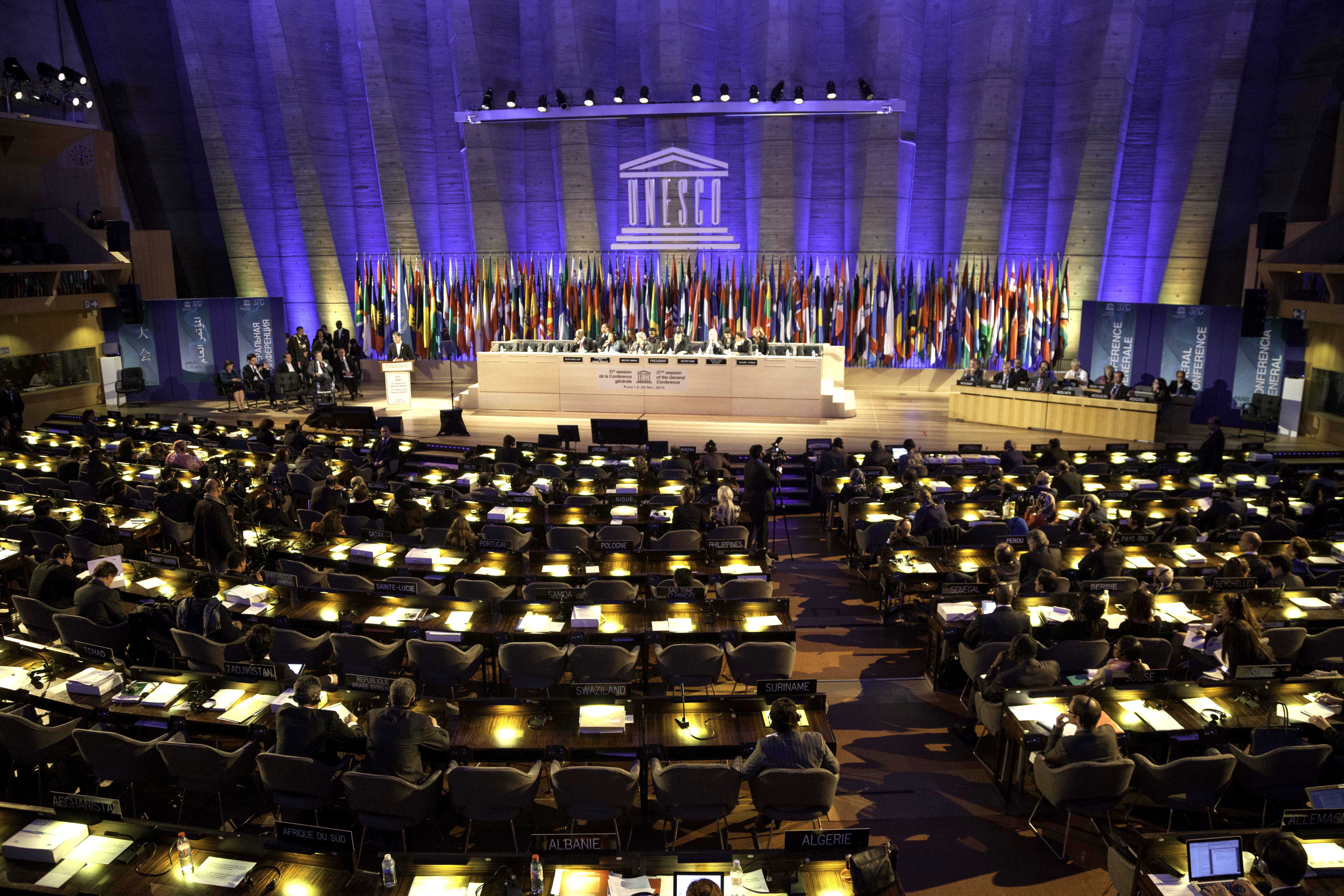
Cultural differences refer to the unique characteristics, values, and practices that distinguish one culture from another. With a vibe rating of 85, cultural differences are a vital aspect of human identity, influencing everything from art and literature to social norms and economic systems. The United Nations Educational, Scientific and Cultural Organization (UNESCO) has been at the forefront of promoting cultural diversity since the mid-20th century, recognizing its importance in fostering global understanding and cooperation. According to a report by the World Bank, cultural diversity can have a significant impact on economic development, with countries that embrace diversity tend to have higher GDP growth rates. As noted by Marcel Mauss, a French sociologist, cultural differences are not just a matter of individual preferences, but are deeply rooted in the social and historical context of a given society. With the rise of globalization, cultural differences are becoming increasingly important, as companies like Google and Facebook navigate complex cultural landscapes to reach diverse audiences.
🌎 Origins & History
The concept of cultural differences has its roots in the work of anthropologists like Claude Lévi-Strauss and sociologists like Émile Durkheim, who recognized the importance of understanding cultural variations in the early 20th century. The University of Chicago has been a hub for cultural studies, with scholars like Clifford Geertz making significant contributions to the field. Today, cultural differences are a key area of study in fields like sociology, anthropology, and cultural studies, with researchers like Pierre Bourdieu exploring the complex relationships between culture, power, and identity.
📚 How It Works
Cultural differences can be understood through the lens of various theoretical frameworks, including structuralism, post-structuralism, and cultural relativism. As noted by Michel Foucault, cultural differences are often shaped by power dynamics, with dominant cultures seeking to impose their values and norms on subordinate cultures. The Stanford University has a renowned cultural studies program, which explores the intersections of culture, technology, and society. Companies like Airbnb and Uber are also navigating cultural differences as they expand into new markets, recognizing the importance of cultural competence in achieving success.
📊 Key Facts & Numbers
According to a report by the World Economic Forum, cultural differences can have a significant impact on economic development, with countries that embrace diversity tend to have higher GDP growth rates. The report highlights the importance of cultural diversity in driving innovation, creativity, and entrepreneurship, citing examples like Silicon Valley and New York City. As noted by Richard Florida, a renowned urban studies theorist, cultural differences are a key driver of urban economic growth, with cities that celebrate diversity tend to attract more talent, investment, and innovation. The European Union has also recognized the importance of cultural diversity, launching initiatives like the Creative Europe program to promote cultural exchange and cooperation across the continent.
👥 Key People & Organizations
Key people and organizations involved in promoting cultural differences include UNESCO, the United Nations, and the European Union. These organizations have launched various initiatives to promote cultural diversity, including the UNESCO World Heritage program, which recognizes and protects cultural sites of outstanding universal value. As noted by Angelina Jolie, a UNHCR Goodwill Ambassador, cultural differences are a source of strength and resilience, particularly for refugee communities who have been displaced by conflict and persecution. The Harvard University has a renowned program in cultural studies, which explores the complex relationships between culture, identity, and power.
🌍 Cultural Impact & Influence
Cultural differences have a profound impact on society, influencing everything from education and healthcare to economic development and international relations. As noted by Amartya Sen, a Nobel laureate in economics, cultural differences are a key driver of human development, with diverse cultures tend to be more innovative, creative, and resilient. The World Health Organization has recognized the importance of cultural competence in healthcare, launching initiatives to promote culturally sensitive care and reduce health disparities. Companies like Coca-Cola and McDonald's are also navigating cultural differences as they expand into new markets, recognizing the importance of cultural adaptation in achieving success.
⚡ Current State & Latest Developments
The current state of cultural differences is marked by both opportunities and challenges. On the one hand, globalization and technological advancements have created new opportunities for cultural exchange and collaboration, with platforms like YouTube and Instagram enabling people to share their cultural practices and traditions with a global audience. On the other hand, cultural differences are often threatened by forces like cultural homogenization, xenophobia, and nationalism, which can lead to the erasure of cultural diversity and the suppression of minority cultures. The University of Oxford has a renowned program in cultural studies, which explores the complex relationships between culture, identity, and power.
🤔 Controversies & Debates
Controversies and debates surrounding cultural differences include the tension between cultural relativism and universal human rights, the impact of globalization on cultural diversity, and the role of cultural differences in shaping national identity and citizenship. As noted by Slavoj Žižek, a philosopher and cultural critic, cultural differences are often used as a pretext for xenophobia and nationalism, with dominant cultures seeking to impose their values and norms on subordinate cultures. The New York Times has covered the complexities of cultural differences, highlighting the importance of cultural competence in navigating diverse cultural landscapes.
🔮 Future Outlook & Predictions
The future outlook for cultural differences is marked by both optimism and uncertainty. On the one hand, there is a growing recognition of the importance of cultural diversity and the need to promote cultural competence in all aspects of life. On the other hand, cultural differences are often threatened by forces like cultural homogenization, xenophobia, and nationalism, which can lead to the erasure of cultural diversity and the suppression of minority cultures. As noted by Noam Chomsky, a linguist and public intellectual, cultural differences are a key driver of human progress, with diverse cultures tend to be more innovative, creative, and resilient. The MIT has a renowned program in cultural studies, which explores the complex relationships between culture, technology, and society.
💡 Practical Applications
Practical applications of cultural differences include cultural competence training, diversity and inclusion initiatives, and cultural exchange programs. Companies like Google and Facebook are also navigating cultural differences as they expand into new markets, recognizing the importance of cultural adaptation in achieving success. As noted by Sheryl Sandberg, a business leader and author, cultural differences are a key driver of business success, with companies that celebrate diversity tend to be more innovative, creative, and resilient. The Stanford University has a renowned program in cultural studies, which explores the intersections of culture, technology, and society.
Key Facts
- Year
- 2022
- Origin
- Global
- Category
- culture
- Type
- concept
Frequently Asked Questions
What is cultural diversity?
Cultural diversity refers to the variety of human cultures, including their customs, traditions, and values. It is essential for promoting understanding, tolerance, and cooperation among different cultural groups. As noted by Marcel Mauss, cultural diversity is a key driver of human progress, with diverse cultures tend to be more innovative, creative, and resilient. The University of Chicago has a renowned program in cultural studies, which explores the complex relationships between culture, identity, and power.
Why is cultural competence important?
Cultural competence is crucial for navigating diverse cultural landscapes, promoting effective communication, and building strong relationships with people from different cultural backgrounds. Companies like Google and Facebook are also recognizing the importance of cultural competence in achieving success. As noted by Sheryl Sandberg, cultural competence is a key driver of business success, with companies that celebrate diversity tend to be more innovative, creative, and resilient. The Stanford University has a renowned program in cultural studies, which explores the intersections of culture, technology, and society.
How can we promote cultural diversity?
Promoting cultural diversity involves recognizing and valuing the unique characteristics of different cultures, promoting cultural exchange and cooperation, and addressing the challenges and barriers that prevent cultural diversity from flourishing. The United Nations has launched initiatives like the UNESCO World Heritage program to promote cultural diversity and cooperation worldwide. As noted by Angelina Jolie, cultural diversity is a source of strength and resilience, particularly for refugee communities who have been displaced by conflict and persecution. The Harvard University has a renowned program in cultural studies, which explores the complex relationships between culture, identity, and power.
What are the benefits of cultural diversity?
The benefits of cultural diversity include promoting innovation, creativity, and entrepreneurship, driving economic growth and development, and fostering global understanding and cooperation. As noted by Richard Florida, cultural diversity is a key driver of urban economic growth, with cities that celebrate diversity tend to attract more talent, investment, and innovation. The European Union has also recognized the importance of cultural diversity, launching initiatives like the Creative Europe program to promote cultural exchange and cooperation across the continent.
How can we address the challenges of cultural diversity?
Addressing the challenges of cultural diversity involves promoting cultural competence, addressing the root causes of cultural conflicts, and fostering a culture of inclusivity and respect. Companies like Coca-Cola and McDonald's are also navigating cultural differences as they expand into new markets, recognizing the importance of cultural adaptation in achieving success. As noted by Noam Chomsky, cultural differences are a key driver of human progress, with diverse cultures tend to be more innovative, creative, and resilient. The MIT has a renowned program in cultural studies, which explores the complex relationships between culture, technology, and society.
What is the future of cultural diversity?
The future of cultural diversity is marked by both opportunities and challenges. On the one hand, there is a growing recognition of the importance of cultural diversity and the need to promote cultural competence in all aspects of life. On the other hand, cultural diversity is often threatened by forces like cultural homogenization, xenophobia, and nationalism, which can lead to the erasure of cultural diversity and the suppression of minority cultures. As noted by Slavoj Žižek, cultural differences are often used as a pretext for xenophobia and nationalism, with dominant cultures seeking to impose their values and norms on subordinate cultures. The New York Times has covered the complexities of cultural differences, highlighting the importance of cultural competence in navigating diverse cultural landscapes.
How can we promote cultural exchange and cooperation?
Promoting cultural exchange and cooperation involves recognizing the value of cultural diversity, promoting cultural competence, and fostering a culture of inclusivity and respect. The University of Oxford has a renowned program in cultural studies, which explores the complex relationships between culture, identity, and power. As noted by Gayatri Chakravorty Spivak, cultural exchange and cooperation are essential for promoting global understanding and cooperation. The University of California, Berkeley has a renowned program in cultural studies, which explores the complex relationships between culture, identity, and power.