
Contents
- 🌐 What Are Digital Inclusion Policies?
- 🎯 Who Benefits from These Policies?
- 📜 Key Components of Effective Policies
- 📈 The Impact: Bridging the Digital Divide
- ⚖️ Policy Debates & Criticisms
- 💡 Examples of Successful Initiatives
- 🗺️ Global Landscape of Digital Inclusion
- 🚀 Future Trends & Challenges
- Frequently Asked Questions
- Related Topics
Overview
Digital inclusion policies are the legislative and strategic blueprints designed to close the persistent gaps in internet access, digital literacy, and meaningful participation. These policies address the 'digital divide' by focusing on infrastructure development, affordability programs, and skills training, aiming to empower marginalized communities and individuals. Key initiatives range from government broadband expansion projects like the US's Broadband Equity, Access, and Deployment (BEAD) Program to non-profit efforts focused on digital literacy for seniors or low-income families. The effectiveness of these policies is often debated, with critics pointing to implementation challenges and the need for more dynamic approaches to keep pace with technological evolution. Understanding these policies is crucial for anyone seeking to foster a more equitable and connected society.
🌐 What Are Digital Inclusion Policies?
Digital inclusion policies are deliberate governmental and organizational strategies aimed at ensuring that all individuals and communities, regardless of their socioeconomic status, geographic location, age, or ability, have equitable access to and the skills to use digital technologies. These policies recognize that internet access, digital literacy, and affordable devices are no longer luxuries but essential utilities for participation in modern society, impacting everything from education and employment to healthcare and civic engagement. They are the blueprints for a connected world where no one is left behind in the digital revolution, often involving public-private partnerships and community-led efforts. The core objective is to dismantle barriers that prevent full participation in the digital economy and society.
🎯 Who Benefits from These Policies?
The primary beneficiaries of digital inclusion policies are those on the wrong side of the digital divide. This includes low-income households, rural and remote communities, seniors, individuals with disabilities, marginalized ethnic and racial groups, and those with limited formal education. For instance, a senior citizen gaining access to telehealth services through an affordable internet plan directly benefits from such a policy. Similarly, a student in a rural area receiving a subsidized laptop for online learning is a direct outcome. These policies are designed to empower these demographics, providing them with the tools and knowledge necessary to thrive in an increasingly digital world, thereby fostering greater social equity.
📜 Key Components of Effective Policies
Effective digital inclusion policies typically encompass several key pillars: affordable broadband access, device accessibility, digital literacy training, and cybersecurity awareness. Affordable broadband means ensuring that internet service costs are manageable for low-income families, often through subsidy programs like the Affordable Connectivity Program in the US. Device accessibility involves providing low-cost or refurbished computers and smartphones. Digital literacy training equips individuals with the skills to navigate the internet safely and effectively, from basic computer operations to understanding online privacy. Cybersecurity awareness is crucial to protect vulnerable users from online threats and scams.
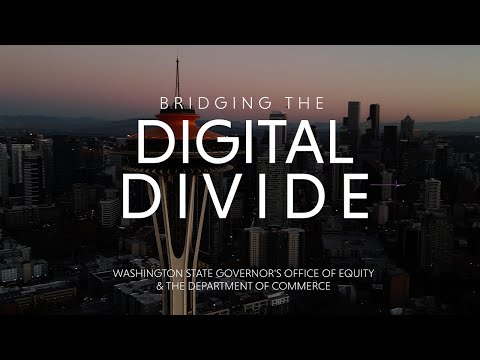
📈 The Impact: Bridging the Digital Divide
The impact of robust digital inclusion policies is profound, directly addressing and mitigating the digital divide. By increasing internet penetration rates in underserved areas, these policies foster economic growth through e-commerce and remote work opportunities. They enhance educational outcomes by enabling access to online learning resources and virtual classrooms, as seen during the COVID-19 pandemic. Furthermore, improved digital access and literacy empower citizens to engage more actively in democratic processes and access vital public services, leading to more informed and engaged communities. The Vibe Score for digital inclusion initiatives often correlates with a community's overall socioeconomic mobility.
⚖️ Policy Debates & Criticisms
Despite widespread agreement on the importance of digital inclusion, significant debates persist regarding the best implementation strategies and funding models. Critics sometimes argue that policies focus too heavily on infrastructure and not enough on ongoing digital literacy support, or that subsidies disproportionately benefit internet service providers. There's also contention over whether digital inclusion should be primarily a government responsibility or a market-driven solution. Some scholars point to the controversy spectrum surrounding net neutrality as a related issue, impacting the very nature of access these policies aim to provide. The effectiveness of public-private partnerships also remains a point of discussion.
💡 Examples of Successful Initiatives
Numerous initiatives worldwide demonstrate the tangible benefits of digital inclusion policies. In South Korea, the government's early and sustained investment in broadband infrastructure, coupled with digital literacy programs, has resulted in one of the highest internet penetration rates globally. Rwanda's 'Smart Rwanda’ initiative has focused on equipping schools with computers and training teachers, significantly boosting digital education. In the United States, programs like EveryoneOn and local library initiatives provide low-cost internet options and digital skills training to low-income families and seniors, showcasing how targeted interventions can make a difference.
🗺️ Global Landscape of Digital Inclusion
The global landscape of digital inclusion is diverse, with varying levels of commitment and success. Developed nations often grapple with reaching the last mile in rural areas and ensuring affordability for their most vulnerable populations, while many developing countries face the fundamental challenge of building basic internet infrastructure. International organizations like the International Telecommunication Union (ITU) play a crucial role in setting standards and advocating for policies that promote universal access. The Vibepedia Global Connectivity Index tracks these efforts, highlighting disparities and best practices across different regions and income levels.
🚀 Future Trends & Challenges
Looking ahead, digital inclusion policies must adapt to emerging technologies and evolving societal needs. The rise of artificial intelligence, the metaverse, and the Internet of Things (IoT) presents new opportunities and potential divides. Future policies will likely need to address not just access and literacy, but also digital safety, data privacy, and the ethical implications of advanced technologies. Ensuring that these future digital frontiers are inclusive requires proactive planning and a commitment to continuous adaptation, anticipating who might be left behind by the next wave of innovation. The future trends in digital access will heavily influence global Vibe Scores.
Key Facts
- Year
- 2023
- Origin
- Vibepedia.wiki
- Category
- Policy & Governance
- Type
- Policy Framework
Frequently Asked Questions
What is the primary goal of digital inclusion policies?
The primary goal is to ensure everyone has equitable access to and the skills to use digital technologies. This means overcoming barriers related to cost, infrastructure, and digital literacy so that all individuals can participate fully in the digital economy and society, accessing education, employment, and essential services.
How do these policies address affordability?
Affordability is addressed through various mechanisms, including government subsidies for internet services (like the Affordable Connectivity Program), programs offering low-cost or refurbished devices, and initiatives that negotiate lower rates with internet service providers for eligible households.
Are digital inclusion policies only about internet access?
No, while internet access is foundational, effective policies also encompass device accessibility (computers, smartphones), comprehensive digital literacy training (how to use technology safely and effectively), and cybersecurity awareness to protect users from online threats.
What are some common criticisms of digital inclusion policies?
Criticisms often revolve around the sustainability of funding, the balance between infrastructure investment and ongoing training, and concerns that subsidies might not always reach the intended beneficiaries effectively. There's also debate about the extent of government versus private sector responsibility.
How can I find digital inclusion resources in my area?
You can typically find resources through local government websites, public libraries, community centers, and non-profit organizations focused on digital equity. Websites like EveryoneOn or searching for 'digital inclusion programs [your city/state]' can provide specific leads.
What is the role of digital literacy in these policies?
Digital literacy is a critical component, as simply having access to technology is insufficient. Policies aim to equip individuals with the necessary skills to use digital tools effectively, safely, and confidently, enabling them to benefit from online opportunities and avoid digital pitfalls.