
Contents
Overview
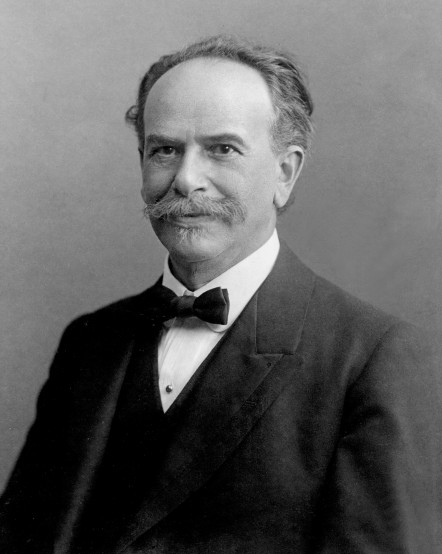
Franz Boas was a German-American anthropologist and ethnomusicologist who revolutionized the field of anthropology with his work on cultural relativism and historical particularism. He is known for his extensive research on indigenous cultures, particularly in the Pacific Northwest and Baffin Island. Boas' legacy extends through his students, who went on to found anthropology departments and research programs inspired by his work. His influence can be seen in the work of notable anthropologists such as Margaret Mead and Ruth Benedict, who were both students of Boas at Columbia University.
🎓 Early Life and Education
Franz Boas was born on July 9, 1858, in Minden, Germany, to a Jewish family. He studied in Germany, where he was awarded a doctorate in physics in 1881 from the University of Kiel, while also studying geography. Boas' early work was influenced by the geographical expedition to northern Canada, where he became fascinated with the culture and language of the Baffin Island Inuit. This experience sparked his interest in anthropology, and he went on to do field work with the indigenous cultures and languages of the Pacific Northwest, including the Kwakwaka'wakw and Tlingit tribes.
🌎 Field Work and Research
In 1887, Boas emigrated to the United States, where he first worked as a museum curator at the Smithsonian Institution. He later became a professor of anthropology at Columbia University in 1899, where he remained for the rest of his career. During his time at Columbia, Boas taught and mentored many notable anthropologists, including Margaret Mead and Ruth Benedict. His work at Columbia helped establish the university as a hub for anthropological research and education, and his influence can be seen in the work of other notable anthropologists, such as Bronislaw Malinowski and Alfred Kroeber.
📚 Academic Career and Legacy
Boas' academic career was marked by his commitment to cultural relativism and historical particularism. He argued that cultures should be understood on their own terms, rather than being judged against the standards of Western societies. This approach was revolutionary at the time and helped to establish anthropology as a distinct field of study. Boas' work also had a significant impact on the development of ethnomusicology, and he is considered one of the founders of the field. His research on the music and culture of indigenous peoples, particularly in the Pacific Northwest, helped to establish the importance of music and dance in anthropological research.
🌍 Cultural Impact and Influence
Franz Boas' legacy extends far beyond his own research and academic career. His students went on to found anthropology departments and research programs at universities across the United States, including University of Chicago and University of California, Berkeley. His influence can also be seen in the work of other notable anthropologists, such as Clifford Geertz and Sherry Ortner. Boas' commitment to cultural relativism and historical particularism continues to shape the field of anthropology today, and his work remains an important part of the discipline's history and development.
Key Facts
- Year
- 1858-1942
- Origin
- Minden, Germany
- Category
- history
- Type
- person
Frequently Asked Questions
What was Franz Boas' contribution to anthropology?
Franz Boas is known for his work on cultural relativism and historical particularism, which revolutionized the field of anthropology. He argued that cultures should be understood on their own terms, rather than being judged against the standards of Western societies. This approach was influential in the development of anthropology as a distinct field of study, and his work continues to shape the discipline today. For example, his research on the Kwakwaka'wakw and Tlingit tribes in the Pacific Northwest helped to establish the importance of cultural relativism in understanding indigenous cultures.
Who were some of Franz Boas' notable students?
Franz Boas mentored many notable anthropologists, including Margaret Mead and Ruth Benedict. These students went on to found anthropology departments and research programs at universities across the United States, and their work continues to influence the field of anthropology today. For example, Margaret Mead's research on adolescence in Samoa, as described in her book Coming of Age in Samoa, was influenced by Boas' approach to cultural relativism.
What is the significance of Franz Boas' work in ethnomusicology?
Franz Boas is considered one of the founders of the field of ethnomusicology. His research on the music and culture of indigenous peoples, particularly in the Pacific Northwest, helped to establish the importance of music and dance in anthropological research. For example, his work on the music of the Kwakwaka'wakw tribe helped to demonstrate the significance of music in understanding cultural practices and traditions. This work has had a lasting impact on the field of ethnomusicology, and his approach to cultural relativism continues to influence research in the field today.
How did Franz Boas' work influence the development of anthropology as a discipline?
Franz Boas' work helped to establish anthropology as a distinct field of study. His approach to cultural relativism and historical particularism influenced a generation of anthropologists, including Bronislaw Malinowski and Alfred Kroeber. His students went on to found anthropology departments and research programs at universities across the United States, and his work continues to shape the discipline today. For example, the American Anthropological Association was founded in part due to the influence of Boas' work, and the organization continues to promote the study of anthropology and cultural relativism.
What is the legacy of Franz Boas' work today?
Franz Boas' legacy extends far beyond his own research and academic career. His influence can be seen in the work of other notable anthropologists, such as Clifford Geertz and Sherry Ortner. His commitment to cultural relativism and historical particularism continues to shape the field of anthropology today, and his work remains an important part of the discipline's history and development. For example, the National Science Foundation continues to fund research in anthropology and cultural relativism, and the field remains a vital part of academic and public discourse today.