
Contents
Overview
The concept of NFTs was first introduced in 2017 by William Shih, a software developer, and Eric Voorhees, the CEO of ShapeShift. The first NFT project, CryptoKitties, was launched in 2017 on the Ethereum blockchain, allowing users to buy, sell, and breed unique digital cats. This project was developed by Axiom Zen, a Canadian startup, and was one of the first to demonstrate the potential of NFTs. As of 2023, the NFT market has grown to include a wide range of digital assets, including artworks, photos, videos, and audio files, with platforms like OpenSea and Rarible providing marketplaces for creators to sell their work.
⚙️ How It Works
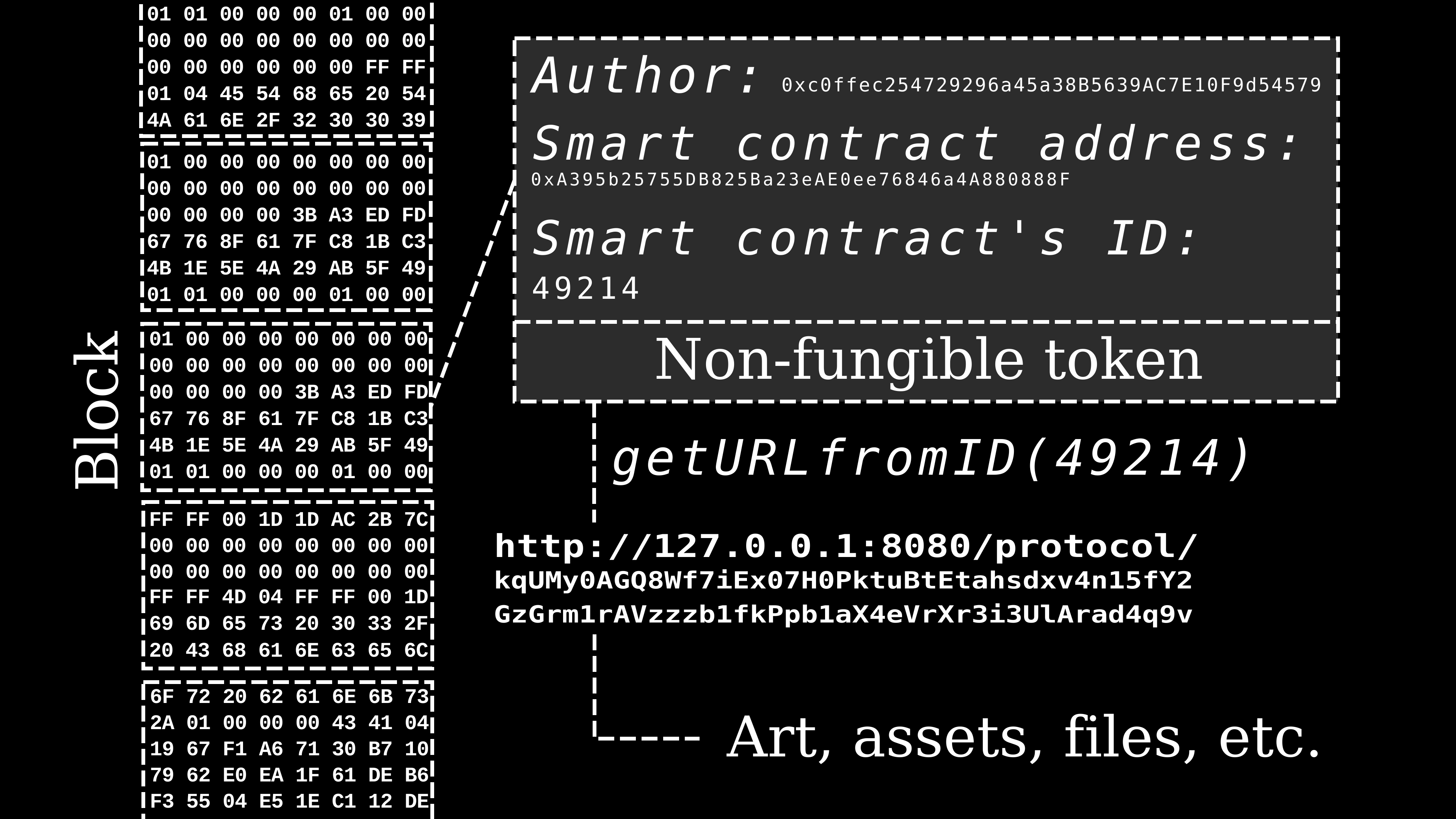
NFTs are created using smart contracts on a blockchain, which ensures that each token is unique and cannot be copied or subdivided. The ownership of an NFT is recorded on the blockchain, allowing for secure and transparent transfer of ownership. This technology has been adopted by various companies, including Nike, which has used NFTs to create unique digital sneakers, and Tiffany & Co., which has used NFTs to create exclusive digital jewelry. The use of NFTs has also been explored by artists, such as Beeple, who has sold NFT-based artworks for millions of dollars.
🌍 Cultural Impact
The cultural impact of NFTs has been significant, with many artists and creators using the technology to monetize their digital work. However, the market has also been criticized for its environmental impact, with the energy consumption of blockchain transactions contributing to greenhouse gas emissions. Additionally, the legal rights conveyed by an NFT can be uncertain, with some arguing that NFTs do not necessarily grant copyright or intellectual property rights. As the market continues to evolve, it is likely that we will see new use cases and applications for NFTs, such as in the fields of gaming and virtual reality.
🔮 Legacy & Future
The future of NFTs is uncertain, with some predicting that the market will continue to grow and others arguing that it is a bubble waiting to burst. However, with the increasing adoption of blockchain technology and the growing demand for unique digital assets, it is likely that NFTs will continue to play a significant role in the digital economy. As the technology continues to evolve, we can expect to see new innovations and applications for NFTs, such as the use of artificial intelligence to create unique digital artworks.
Key Facts
- Year
- 2017
- Origin
- Global
- Category
- technology
- Type
- concept
Frequently Asked Questions
What is an NFT?
An NFT, or non-fungible token, is a unique digital identifier recorded on a blockchain, certifying ownership and authenticity of digital assets. It was first introduced by William Shih and Eric Voorhees in 2017, and has since been used by companies like Nike and Tiffany & Co. to create unique digital products.
How are NFTs created?
NFTs are created using smart contracts on a blockchain, which ensures that each token is unique and cannot be copied or subdivided. This process involves the use of Ethereum and other blockchain platforms, as well as marketplaces like OpenSea and Rarible.
What is the cultural impact of NFTs?
The cultural impact of NFTs has been significant, with many artists and creators using the technology to monetize their digital work. However, the market has also been criticized for its environmental impact, with the energy consumption of blockchain transactions contributing to greenhouse gas emissions. As the market continues to evolve, it is likely that we will see new use cases and applications for NFTs, such as in the fields of gaming and virtual reality.
What is the future of NFTs?
The future of NFTs is uncertain, with some predicting that the market will continue to grow and others arguing that it is a bubble waiting to burst. However, with the increasing adoption of blockchain technology and the growing demand for unique digital assets, it is likely that NFTs will continue to play a significant role in the digital economy. As the technology continues to evolve, we can expect to see new innovations and applications for NFTs, such as the use of artificial intelligence to create unique digital artworks.
What are the benefits and drawbacks of NFTs?
The benefits of NFTs include the ability to create unique digital assets, the potential for new revenue streams for artists and creators, and the use of blockchain technology to ensure secure and transparent ownership. However, the drawbacks include the environmental impact of blockchain transactions, the uncertainty of legal rights conveyed by NFTs, and the potential for market volatility and speculation. As the market continues to evolve, it is likely that we will see new benefits and drawbacks emerge, such as the use of NFTs in decentralized finance and the potential for NFTs to be used in social media and other online platforms.