
Contents
Overview
Tea ceremonies are formalized, ritualistic practices centered around the preparation and serving of tea, deeply embedded in the cultural fabric of East Asia and beyond. Originating in China, these ceremonies evolved into distinct traditions in Korea, Japan, and Vietnam, each reflecting unique philosophical underpinnings and aesthetic sensibilities, often influenced by Buddhist principles of mindfulness and simplicity. Beyond the mere act of drinking tea, these rituals encompass a meticulous choreography of movements, specific utensils, and an appreciation for the present moment, transforming a daily beverage into an art form and a spiritual practice. The global spread of tea has led to diverse interpretations and adaptations, yet the core essence of fostering harmony, respect, purity, and tranquility remains a common thread, offering a potent antidote to the hurried pace of modern life.
🎵 Origins & History
Tea was initially consumed for medicinal purposes in China before evolving into a beverage enjoyed for pleasure and social interaction. By the Tang Dynasty, tea preparation had become more refined. Buddhist monks played a crucial role in disseminating tea culture. Korean tea culture is known as Darye, and it developed its own distinct style, often characterized by its naturalness and simplicity, while Vietnamese tea traditions, though less globally recognized, also possess unique rituals and a deep connection to local customs.
⚙️ How It Works
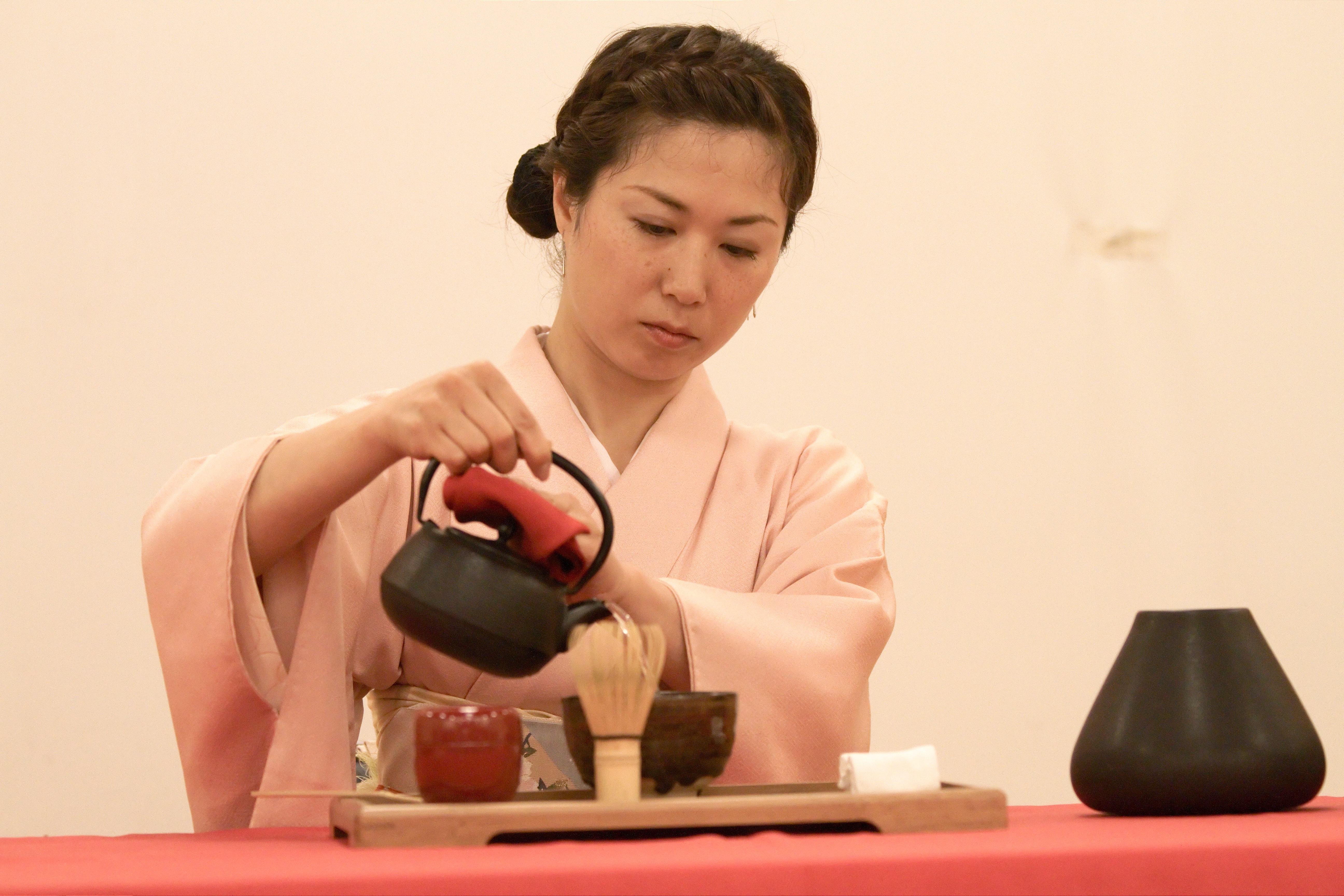
At its heart, a tea ceremony is a choreographed sequence of actions designed to prepare and serve tea with utmost care and intention. In the Japanese Chanoyu, for instance, the host meticulously cleanses the tea utensils, including the tea bowl, whisk, and tea scoop, in a precise order. Water is heated in an iron kettle, and the powdered matcha is whisked with hot water to create a frothy, vibrant green beverage. Every gesture, from folding the silk cloth to presenting the bowl, is imbued with meaning and executed with deliberate grace. The guest, in turn, receives the bowl with reverence, rotates it to avoid drinking from the decorative front, and savors the tea, often accompanied by a traditional sweet (wagashi) to balance the tea's slight bitterness. The entire process emphasizes mindfulness, the appreciation of simple beauty, and the connection between host and guest, often taking place in a dedicated tea room or garden setting designed for contemplation.
📊 Key Facts & Numbers
Globally, it's estimated that over 3 billion people consume tea daily, making it the second most consumed beverage after water. The global tea market was valued at approximately $200 billion USD in 2023, with a projected compound annual growth rate (CAGR) of 5.5% from 2024 to 2030. Japan alone hosts an estimated 10,000 tea masters, with the Japanese tea ceremony, Chanoyu, involving around 1 million practitioners. The annual production of matcha in Japan, a key component of its tea ceremony, exceeds 20,000 tons. In China, the birthplace of tea, over 2.8 million tons of tea were produced in 2022, with specialized tea houses and ceremonies forming a significant part of its cultural tourism industry, attracting millions of domestic and international visitors each year. The value of specialized tea ware, such as antique tea bowls, can reach hundreds of thousands of dollars at auction.
👥 Key People & Organizations
While no single individual can be credited with inventing tea ceremonies, several figures have profoundly shaped their development and dissemination. Lu Yu (733–804 CE), the 'Sage of Tea,' is revered in China for his comprehensive treatise The Classic of Tea, which elevated tea preparation to an art form. In Japan, Eisai (1141–1215 CE), a Rinzai Zen monk, is credited with reintroducing powdered matcha tea and its associated rituals from Song Dynasty China, laying the groundwork for Chanoyu. Sen no Rikyū (1522–1591 CE) is considered the most influential figure in the history of the Japanese tea ceremony, refining its aesthetics and philosophy to emphasize wabi-sabi, a worldview centered on the acceptance of transience and imperfection. Organizations like the Urasenke, Omotesenke, and Mushakōjisenke schools in Japan, founded by descendants of Sen no Rikyū, continue to preserve and teach the art of Chanoyu to millions worldwide, maintaining a lineage that stretches back centuries.
🌍 Cultural Impact & Influence
Tea ceremonies have exerted a far-reaching influence on global culture, art, and philosophy. The aesthetic principles of wabi-sabi, central to Japanese tea ceremonies, have permeated Western design, art, and even lifestyle philosophies, emphasizing beauty in imperfection and transience. The practice of mindfulness and meditation inherent in tea rituals has found resonance in secular contexts, influencing modern wellness movements and stress-reduction techniques. Furthermore, tea ceremonies have inspired countless works of art, literature, and film, often symbolizing introspection, cultural heritage, and the pursuit of inner peace. The global popularity of matcha lattes and other tea-infused products, while often a commercialized echo, points to a broader cultural fascination with the ritualistic and healthful aspects of tea, demonstrating its enduring appeal across diverse societies. The concept of a 'tea ceremony' itself has become a shorthand for any ritualized, mindful activity designed to foster connection and appreciation.
⚡ Current State & Latest Developments
In the early 2020s, tea ceremonies are experiencing a resurgence, driven by a global interest in mindfulness, cultural heritage, and artisanal experiences. While traditional schools like Urasenke continue to thrive, modern interpretations are emerging, blending ancient practices with contemporary aesthetics and accessibility. Online platforms and virtual workshops have expanded the reach of tea ceremony education, allowing individuals worldwide to learn from masters. The demand for high-quality, single-origin teas and artisanal tea ware is also growing, reflecting a consumer desire for authenticity and a deeper connection to the source of their beverages. Events like the World Tea Expo and various national tea festivals showcase innovation and tradition, bringing together producers, practitioners, and enthusiasts. There's also a growing focus on the sustainability and ethical sourcing of tea, adding another layer of consideration to the ceremony.
🤔 Controversies & Debates
Despite its widespread appreciation, tea ceremonies are not without their controversies and debates. One ongoing discussion revolves around the commercialization and 'Westernization' of tea rituals, with critics arguing that superficial adaptations dilute the profound philosophical and spiritual underpinnings of traditional ceremonies. The authenticity of modern interpretations, particularly those found in tourist-oriented tea houses or mass-marketed 'tea experiences,' is frequently questioned. Furthermore, debates arise regarding the exclusivity of certain traditional schools, which can be perceived as rigid or inaccessible to newcomers. The historical narratives surrounding tea ceremonies are also subject to scrutiny, with scholars examining the complex colonial and nationalistic influences that have shaped their presentation and reception, particularly outside of their countries of origin. The precise definition of what constitutes a 'true' tea ceremony remains a point of contention among purists and modernists alike.
🔮 Future Outlook & Predictions
The future of tea ceremonies appears poised for continued evolution, balancing tradition with innovation. We can anticipate further integration of digital technologies, such as augmented reality (AR) experiences that guide participants through rituals or virtual reality (VR) tea rooms offering immersive cultural journeys. The focus on wellness and mental health is likely to drive more secularized, accessible versions of tea rituals, emphasizing stress reduction and mindful presence. Expect to see a greater emphasis on sustainability and ethical sourcing, with ceremonies potentially incorporating discussions on environmental impact and fair labor practices. As global travel resumes, there will likely be an increased demand for authentic, immersive tea experiences that go beyond mere consumption, fostering deeper cultural understanding. The potential for cross-cultural fusion ceremonies, blending elements from different tea traditions, also presents an exciting avenue for future exploration, potentially creating new forms of ritual that resonate with a globalized audience.
💡 Practical Applications
Tea ceremonies offer a rich array of practical applications beyo
Key Facts
- Category
- culture
- Type
- topic