
Contents
- 🎵 Origins & History
- ⚙️ How It Works
- 📊 Key Facts & Numbers
- 👥 Key People & Organizations
- 🌍 Cultural Impact & Influence
- ⚡ Current State & Latest Developments
- 🤔 Controversies & Debates
- 🔮 Future Outlook & Predictions
- 💡 Practical Applications
- 📚 Related Topics & Deeper Reading
- Frequently Asked Questions
- References
- Related Topics
Overview
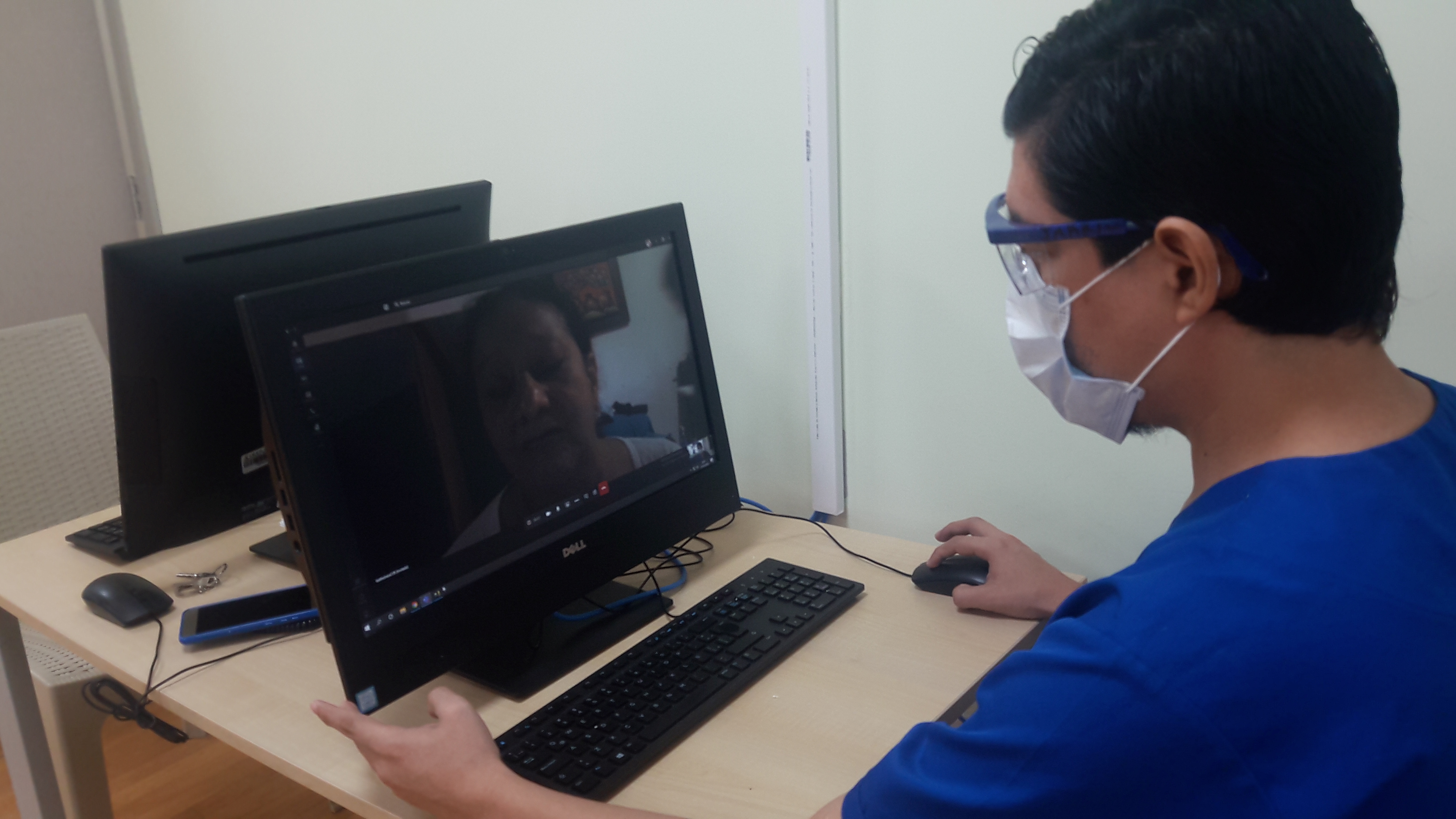
Telehealth is the use of electronic information and telecommunication technologies to support long-distance clinical health care, patient and professional health-related education, health administration, and public health. The World Health Organization has developed guidelines for the use of telehealth, including recommendations for data protection and patient safety. The American Medical Association has developed guidelines for the use of telehealth, including recommendations for data protection and patient safety. The Federal Communications Commission has developed guidelines for the use of telehealth, including recommendations for broadband connectivity and data security.
🎵 Origins & History
Telehealth is a rapidly growing field, with applications in remote patient monitoring, teleconsultations, and health education. For example, Mayo Clinic has implemented a telehealth program that allows patients to remotely monitor their vital signs and communicate with healthcare providers. Cleveland Clinic has also developed a telehealth platform that enables patients to access virtual consultations and remote monitoring services.
⚙️ How It Works
Telehealth works by leveraging digital technologies, such as video conferencing, mobile apps, and electronic health records, to facilitate remote consultations and health monitoring. This enables healthcare providers to reach patients in remote or underserved areas, reducing the need for in-person visits and improving access to care. Cisco Systems and Microsoft are among the companies that provide telehealth solutions, including video conferencing platforms and cloud-based electronic health records. Salesforce has also developed a telehealth platform that enables healthcare providers to manage patient data and communicate with patients remotely.
📊 Key Facts & Numbers
The American Telemedicine Association reports on the use of telehealth services. According to some sources, the use of telehealth services has increased in recent years.
👥 Key People & Organizations
Key players in the telehealth market provide a range of telehealth services, including virtual consultations, remote patient monitoring, and health education. Google and Amazon are also investing in telehealth, with the development of new technologies and partnerships with healthcare providers. IBM has developed a telehealth platform that enables healthcare providers to manage patient data and communicate with patients remotely.
🌍 Cultural Impact & Influence
Telehealth has had a significant impact on healthcare. The World Health Organization, American Medical Association, and Federal Communications Commission have developed guidelines for the use of telehealth, including recommendations for data protection and patient safety.
⚡ Current State & Latest Developments
The current state of telehealth is one of rapid growth and innovation. According to some sources, the COVID-19 pandemic has reportedly accelerated the adoption of telehealth services.
🤔 Controversies & Debates
There are several controversies and debates surrounding telehealth, including concerns about data security and the need for standardization. Some critics argue that telehealth may exacerbate existing health disparities, particularly in areas with limited access to digital technologies.
🔮 Future Outlook & Predictions
The future of telehealth is likely to be shaped by advances in digital technologies, including artificial intelligence, blockchain, and the Internet of Things. These technologies have the potential to enhance the quality and accessibility of telehealth services, while also improving patient outcomes and reducing healthcare costs.
💡 Practical Applications
Telehealth has a range of practical applications, including remote patient monitoring, teleconsultations, and health education. It can be used to manage chronic conditions, such as diabetes and heart disease, and to provide mental health services. The American Heart Association has developed guidelines for the use of telehealth for cardiovascular care, including recommendations for remote patient monitoring and virtual consultations.
Key Facts
- Year
- 2022
- Origin
- United States
- Category
- technology
- Type
- concept
Frequently Asked Questions
What is telehealth?
Telehealth is the use of electronic information and telecommunication technologies to support long-distance clinical health care, patient and professional health-related education, health administration, and public health.