
Summary
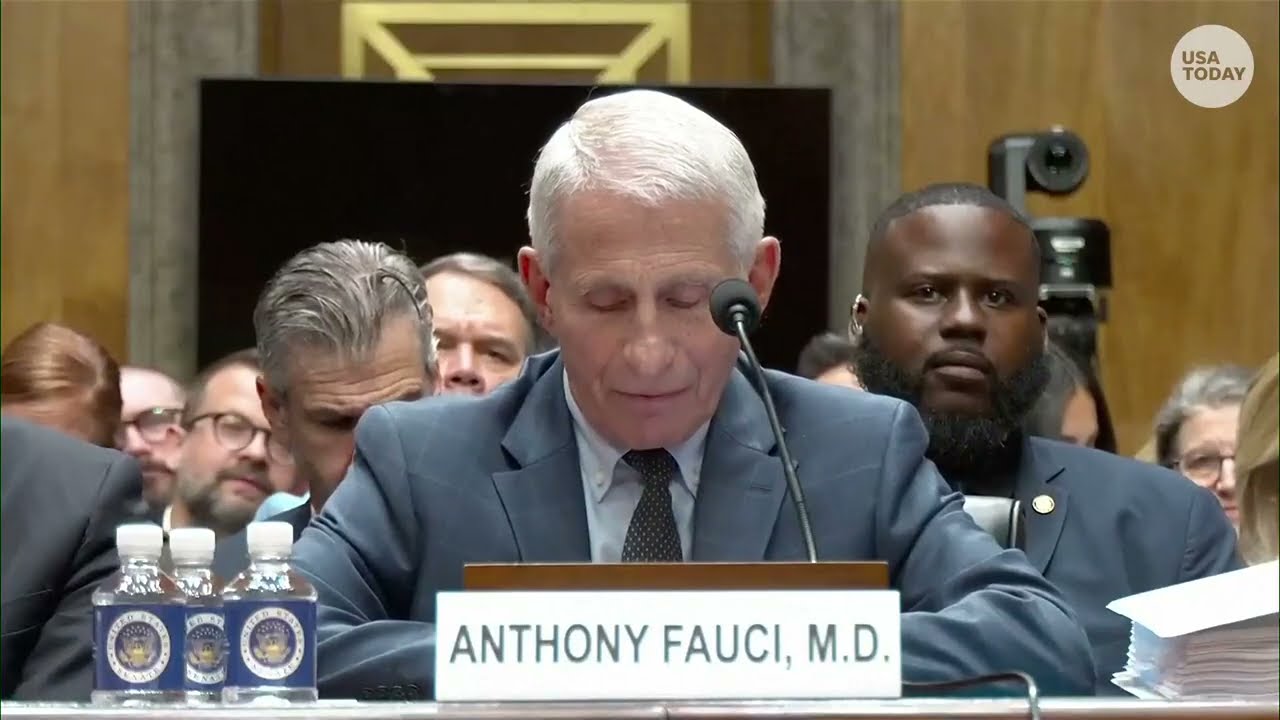
During a heated Senate hearing, former top US health official **Anthony Fauci** invoked the Fifth Amendment over 100 times, fearing potential perjury charges from Republican lawmakers. This refusal to answer questions has intensified the ongoing debate about the origins of **Covid-19** and Fauci's role in managing the pandemic. The hearing, chaired by **Senator Rand Paul**, highlighted the deep political divides surrounding public health narratives and accountability. As accusations of concealment and dishonesty swirl, Fauci's legal strategy underscores the precarious balance between transparency and self-protection in a politically charged environment.
Key Takeaways
- Fauci invoked the Fifth Amendment over 100 times during the Senate hearing.
- Republicans, led by Senator Rand Paul, accuse Fauci of concealing information about Covid-19.
- Fauci maintains that the allegations against him are politically motivated and unfounded.
- The hearing reflects deep partisan divides over public health accountability.
- Fauci's legal strategy raises questions about transparency in health governance.
Balanced Perspective
The facts indicate that Fauci, who previously led the **National Institute of Allergy and Infectious Diseases (NIAID)**, has consistently faced scrutiny from Republican lawmakers regarding his handling of the pandemic. His decision to invoke the Fifth Amendment reflects a legal strategy rather than an admission of guilt. The hearing itself is part of a broader political narrative, with Republicans alleging that Fauci has withheld critical information about Covid-19, while Fauci maintains that these accusations are unfounded and politically motivated. The ongoing tensions highlight the complexities of accountability in public health.
Optimistic View
Some view Fauci's invocation of the Fifth Amendment as a necessary legal safeguard, emphasizing that it protects individuals from wrongful prosecution. This perspective argues that Fauci's refusal to answer questions could ultimately lead to a more thorough investigation into the origins of Covid-19 without the risk of politically motivated charges. Advocates for public health transparency hope that this situation will prompt a more rigorous examination of the pandemic's management and the accountability of health officials, potentially leading to improved policies in the future.
Critical View
Critics argue that Fauci's refusal to testify undermines public trust in health officials and the transparency needed in a pandemic response. The invocation of the Fifth Amendment may be perceived as an attempt to evade accountability, fueling conspiracy theories and distrust among segments of the public. Furthermore, the partisan nature of the hearing, particularly the focus on prosecuting Fauci, raises concerns about the politicization of health policy and the potential chilling effect on future public health guidance. This situation could hinder effective communication and cooperation in addressing ongoing and future health crises.
Source
Originally reported by BBC