
Summary
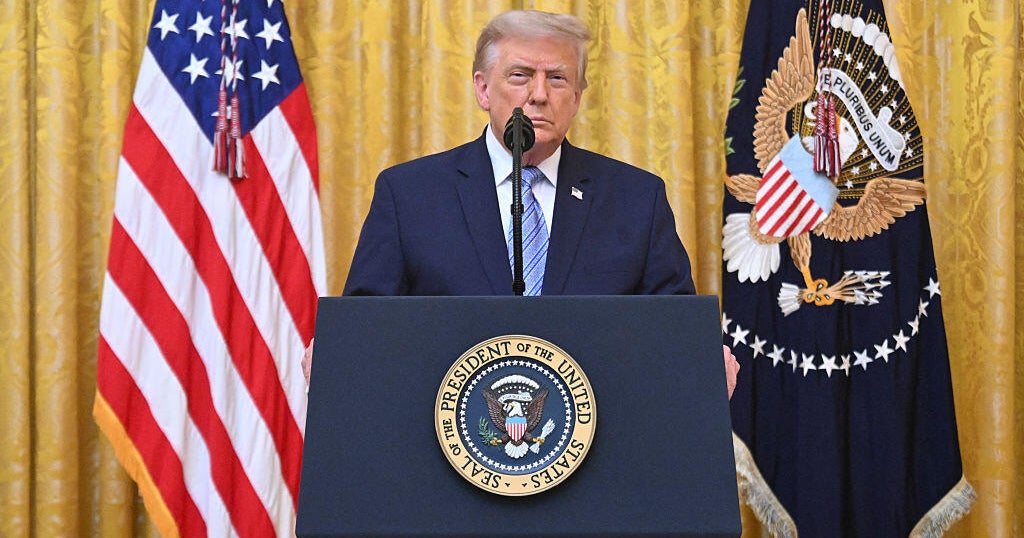
Former President **Donald Trump** delivered a primetime address focusing on **election security**, asserting that foreign entities, particularly **China**, have gained access to sensitive voter data. This speech comes as the **White House** raises alarms about potential threats to the electoral process, intensifying the ongoing debate over election integrity. As Trump continues to challenge the legitimacy of past elections, his claims have sparked both support and skepticism across the political spectrum. The implications of these allegations could reverberate through the upcoming elections and beyond.
Key Takeaways
- Trump's speech focused on the importance of election security amidst allegations of foreign interference.
- The White House claims that **China** accessed sensitive voter data, though this remains unverified.
- Public reactions to Trump's claims are deeply polarized, reflecting broader political divisions.
- Concerns about election integrity are increasingly relevant as the U.S. approaches future elections.
- Advocacy for transparent election security measures is essential for restoring public trust.
Balanced Perspective
The facts surrounding Trump's speech indicate a growing concern over **election security** and foreign interference. The **White House's** allegations about **Chinese access** to voter data have not been independently verified, leading to a mix of reactions from various political factions. While some view Trump's claims as a legitimate warning, others see them as an attempt to distract from ongoing political challenges. The situation remains fluid, with ongoing discussions about the actual risks posed by foreign entities in U.S. elections.
Optimistic View
Supporters of Trump's address argue that raising awareness about **election security** is crucial for safeguarding democracy. They believe that highlighting foreign threats, particularly from **China**, can galvanize bipartisan efforts to enhance the integrity of the electoral process. This proactive stance could lead to stronger measures against cyber threats, ultimately ensuring that American elections remain secure and trustworthy. Advocates see this as a necessary step to restore public confidence in the electoral system.
Critical View
Critics of Trump's speech express concern that his rhetoric could undermine public trust in the electoral process without substantial evidence. The allegations of **Chinese interference** are seen as potentially incendiary, risking unnecessary panic and division among voters. Skeptics argue that this narrative may serve to delegitimize future elections, especially if results do not favor Trump or his allies. The fear is that such claims could lead to increased polarization and a further erosion of democratic norms.
Source
Originally reported by CBS News