
Summary
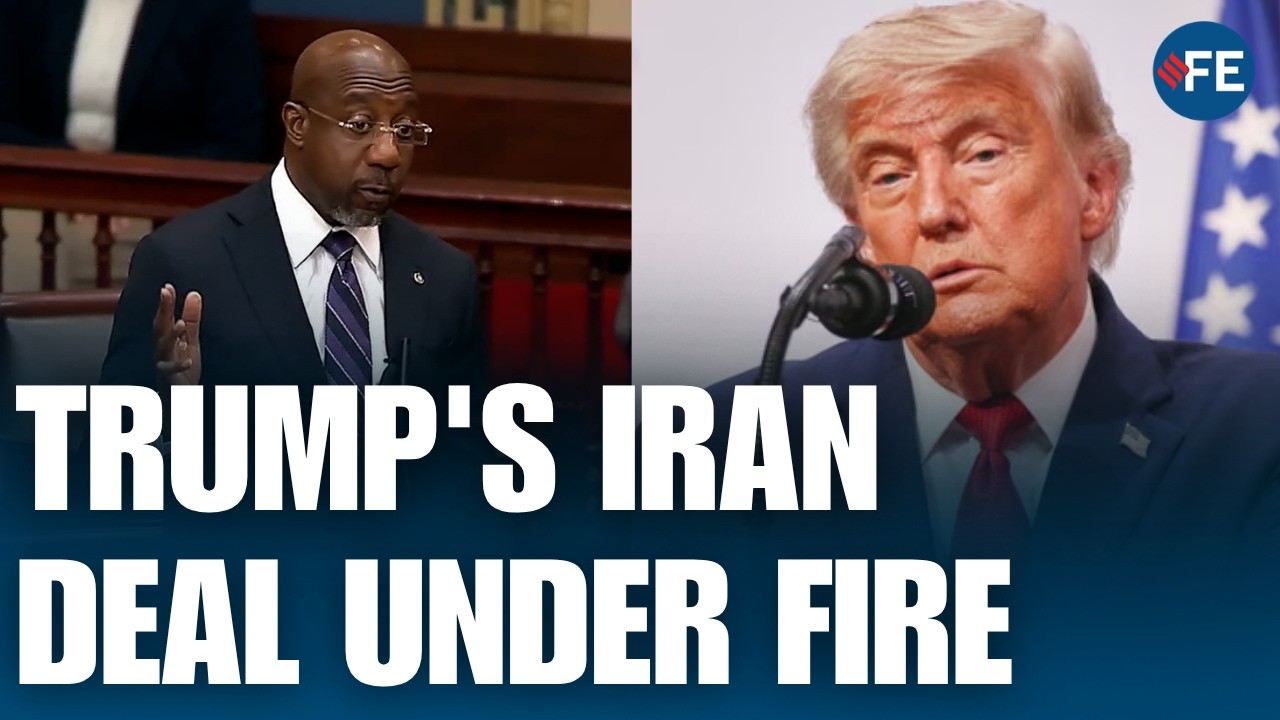
**The US Senate** has voted 86-12 to advance a Russia sanctions bill that could empower **President Trump** with significant tariff authority. While the overwhelming support reflects a rare moment of bipartisan agreement, **Democratic aides** caution that the bill may grant the president unchecked discretion to waive sanctions, raising alarms about potential misuse. This development comes amid ongoing tensions between the US and Russia, particularly regarding Ukraine and broader geopolitical dynamics. The implications of this legislation could reshape the landscape of US foreign policy and economic strategy towards Russia and its allies.
Key Takeaways
- The Senate's overwhelming vote reflects bipartisan support for addressing Russian aggression.
- Concerns about presidential discretion raise critical questions about checks and balances.
- The bill could reshape US foreign policy and economic strategy towards Russia.
- Potential misuse of tariff powers could destabilize international relations.
- Public engagement is essential to ensure accountability in foreign policy decisions.
Balanced Perspective
The Senate's 86-12 vote indicates significant support for the Russia sanctions bill, reflecting a consensus on the need to address Russian actions. However, the concerns raised by **Democratic aides** about presidential discretion highlight a critical debate about the balance of power in foreign policy. The bill's provisions could allow the president to unilaterally impose or waive tariffs, which may lead to unpredictable economic consequences and affect US relations with other nations. The actual impact of this legislation remains to be seen as it moves through the legislative process.
Optimistic View
Proponents of the bill argue that it strengthens the US's stance against **Russian aggression**, particularly in Ukraine. The bipartisan support suggests a unified front in Congress to address national security concerns. By granting the president new tariff powers, supporters believe it provides flexibility to respond swiftly to evolving threats, potentially deterring further hostile actions from Russia. This could lead to a more robust and proactive US foreign policy in Eastern Europe and beyond, aligning with the interests of NATO allies.
Critical View
Critics warn that the bill's provisions could lead to **abuse of power** by the president, undermining checks and balances in foreign policy. The ability to waive sanctions without congressional oversight raises concerns about accountability and transparency. Furthermore, the potential for tariffs to be used as a political tool could exacerbate tensions with allies and adversaries alike. This situation could set a dangerous precedent for future administrations, complicating diplomatic relations and potentially destabilizing global markets.
Source
Originally reported by The Guardian