
Summary
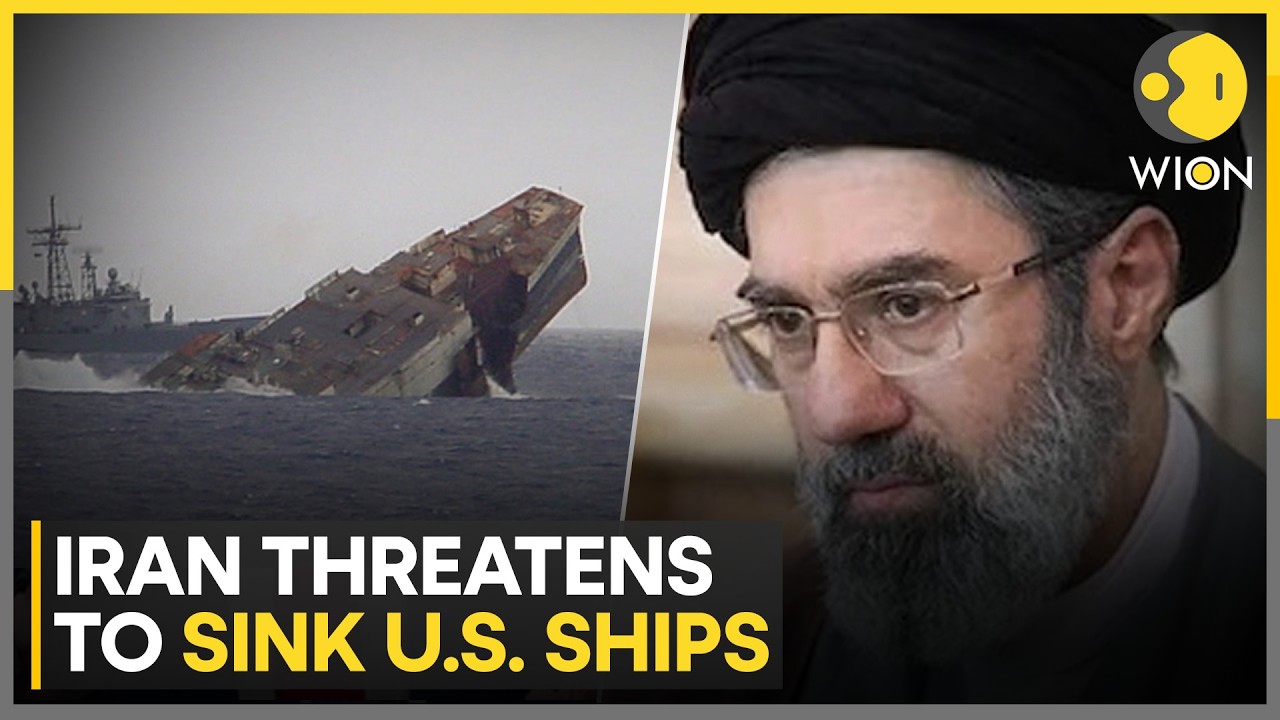
**U.S. military forces** launched significant strikes against **Iran** after President **Donald Trump** issued a fiery threat during a call with **Fox News**, stating he would “beat the f---ing s--- out of” the country. This military response comes on the heels of what the U.S. described as a “surprise attack” from Iranian forces targeting American bases in the Middle East. The strikes, which were aimed at diminishing threats from Iran and its proxies, mark a sharp escalation in hostilities that had briefly subsided amid peace talks. The situation escalated quickly, with **Iran's Islamic Revolutionary Guard Corps** reportedly launching attacks on U.S. installations and commercial shipping in the **Strait of Hormuz**. As tensions rise, the implications for regional stability and international relations are profound, particularly concerning the ongoing negotiations and the potential for further conflict in the Gulf region. [[stratfor|Stratfor]] [[middle-east|Middle East]] [[trump|Trump]] [[iran|Iran]] [[us-military|U.S. Military]] [[strat-of-hormuz|Strait of Hormuz]]
Key Takeaways
- U.S. strikes against Iran follow Trump's provocative threats.
- Iran's attacks on U.S. forces prompted military action.
- The situation in the Gulf remains highly volatile.
- Both sides are on high alert, increasing the risk of miscalculation.
- The implications for regional stability and global oil markets are significant.
Balanced Perspective
The neutral perspective emphasizes the facts surrounding the recent escalation. The U.S. military confirmed that it conducted a series of strikes in response to Iranian attacks on American forces, which were described as a surprise. While the strikes aimed to diminish threats from Iran, they also reflect the complex and volatile nature of U.S.-Iran relations, which have been marked by cycles of aggression and attempts at diplomacy. The situation remains fluid, with both sides maintaining a high state of readiness. [[military-strategy|Military Strategy]] [[iranian-military|Iranian Military]]
Optimistic View
From a hopeful standpoint, some may argue that the U.S. strikes could deter further Iranian aggression and protect American forces and allies in the region. By demonstrating military readiness, the U.S. might reinforce its commitment to safeguarding commercial shipping routes in the **Strait of Hormuz**, which is vital for global oil supplies. Additionally, this military action could potentially pressure Iran back to the negotiating table, as they may seek to avoid further escalation that could threaten their own national security. [[peace-talks|Peace Talks]] [[us-iran-relations|U.S.-Iran Relations]]
Critical View
From a pessimistic viewpoint, the recent strikes could lead to a dangerous cycle of retaliation and escalation. Critics argue that Trump's provocative rhetoric may exacerbate tensions, making diplomatic solutions increasingly difficult. The potential for miscalculation is high, especially with both sides on alert and engaging in military posturing. This situation could destabilize the entire Gulf region, threatening not only U.S. interests but also the security of allied nations. [[regional-stability|Regional Stability]] [[military-escalation|Military Escalation]]
Source
Originally reported by NBC News