Summary
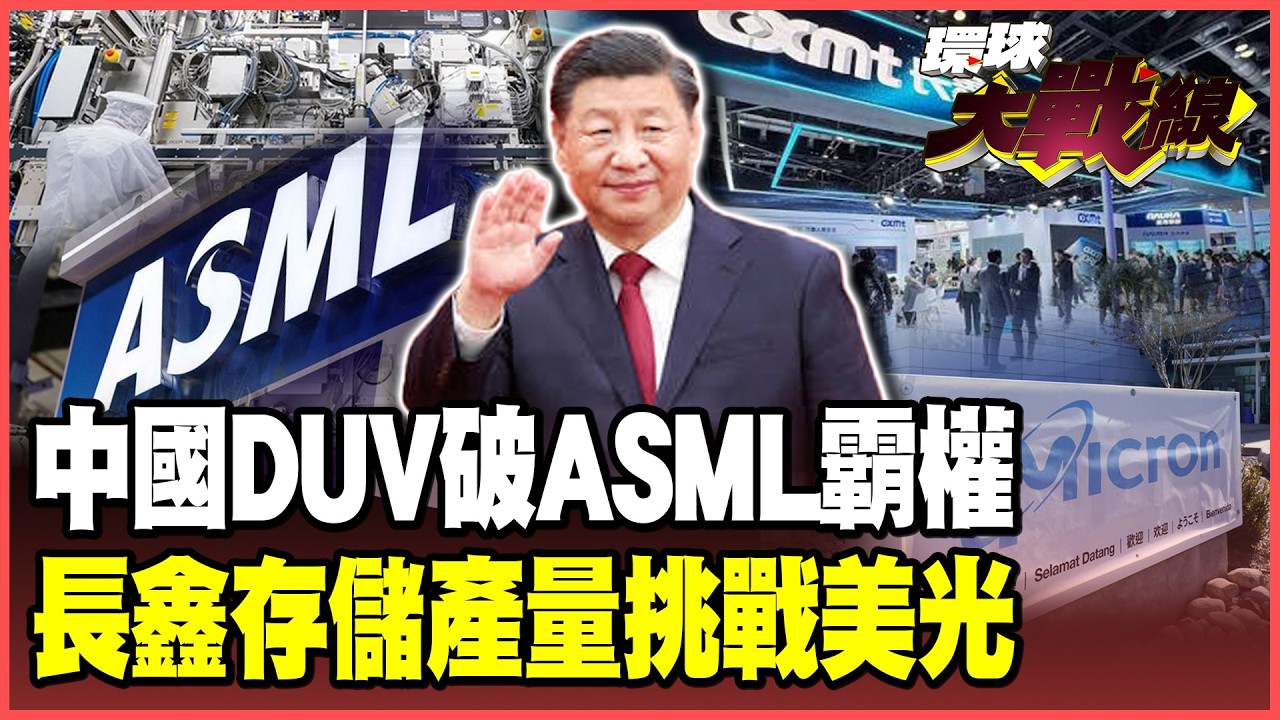
Recent reports indicate that **China** has made significant advancements in **Deep Ultraviolet (DUV)** lithography technology, which could bolster its semiconductor industry and impact the global **AI** market. This development, if confirmed, raises questions about the balance of power in technology and trade, particularly between the **U.S.** and **China**. As the world watches closely, this breakthrough could have far-reaching implications for AI capabilities and supply chains, especially in light of ongoing tensions surrounding technology exports. The potential for China to enhance its semiconductor production capabilities through this DUV technology could challenge the current dominance of U.S. firms like **ASML** and **Intel**. If China can produce advanced chips domestically, it may lessen its reliance on foreign technology, thereby altering the landscape of global tech competition and trade policies.
Key Takeaways
- China's reported DUV breakthrough could enhance its semiconductor production capabilities.
- This advancement may impact global AI trade dynamics, particularly with the U.S.
- The effectiveness and scalability of the technology remain unverified.
- Geopolitical tensions may escalate as nations respond to China's technological progress.
- Consumers could benefit from more advanced and affordable AI applications.
Balanced Perspective
From a neutral standpoint, the reported DUV breakthrough remains largely speculative at this stage. While sources indicate progress, the actual impact on the semiconductor market and AI trade is yet to be fully understood. The technology's effectiveness and scalability are still under scrutiny, and analysts caution against jumping to conclusions about its implications for U.S.-China relations or the global tech landscape. The situation is fluid, and further developments will be crucial in assessing the true significance of this advancement.
Optimistic View
The optimistic view suggests that China's DUV breakthrough could lead to greater innovation in the semiconductor sector, ultimately benefiting the global economy. With enhanced chip production capabilities, companies like **Huawei** and **ZTE** could develop more advanced AI applications, fostering competition and driving down prices for consumers. This could also stimulate collaboration in AI research, as countries may seek to partner with China to leverage its technological advancements, potentially leading to a more interconnected global tech ecosystem.
Critical View
The pessimistic perspective raises concerns about the geopolitical ramifications of China's DUV breakthrough. If China successfully enhances its semiconductor capabilities, it could exacerbate existing tensions with the U.S., leading to stricter export controls and trade barriers. This technological advancement may also spark an arms race in AI and semiconductor technology, with nations scrambling to secure their own supply chains. Furthermore, the potential for increased surveillance and control through advanced AI applications raises ethical questions that could impact global stability.
Source
Originally reported by Bloomberg