
Contents
- 🎵 Introduction to Ambient 1: Music for Airports
- 📀 Background and Inspiration
- 🎧 Composition and Structure
- 👥 Influence and Legacy
- 🌐 Cultural Significance
- 📊 Vibe Score and Cultural Energy
- 🤔 Controversy and Criticism
- 📈 Impact on the Music Industry
- 📊 Sales and Chart Performance
- 🎉 Live Performances and Adaptations
- 👀 Perspective Breakdown
- 📚 Conclusion and Future Prospects
- Frequently Asked Questions
- Related Topics
Overview
Released in 1978, Brian Eno's Ambient 1: Music for Airports is a seminal work that challenged traditional notions of music as a focal point, instead embracing the concept of background sound. This album, with its calming and atmospheric soundscapes, was designed to be played in airports, creating a sense of calm in a typically stressful environment. The album's influence can be seen in the subsequent ambient music genre, with artists such as Tim Hecker and William Basinski drawing inspiration from Eno's work. With a vibe score of 8, Ambient 1: Music for Airports is widely regarded as a groundbreaking work, with its controversy spectrum centered around the question of whether ambient music is truly 'music'. The entity type is 'album', and its influence flows can be seen in various fields, including music, art, and architecture. The album's topic intelligence includes key people such as Brian Eno, and events like the album's release in 1978. As of 2023, the album remains a cultural touchstone, with its entity relationships connecting it to other influential works in the ambient music genre.
🎵 Introduction to Ambient 1: Music for Airports
Ambient 1: Music for Airports, released in 1978, is a seminal work by Brian Eno that redefined the concept of ambient music. This album was designed to be played in airports, creating a relaxing atmosphere for travelers. Eno's vision was to create music that would calm the mind and reduce stress, as discussed in his book Ambient 1: Music for Airports. The album's influence can be seen in various genres, including electronic music and new age music. The use of ambient textures and calming soundscapes has become a staple in many modern music genres, including chillout music.
📀 Background and Inspiration
The background and inspiration for Ambient 1: Music for Airports are rooted in Eno's experiences with ambient music. He was inspired by the works of Karlheinz Stockhausen and John Cage, who experimented with avant-garde and electronic music. Eno's goal was to create music that would be perceived as an atmosphere, rather than a traditional melody. He achieved this by using a combination of electronic and acoustic instruments, as well as innovative recording techniques, as seen in his work with Roxy Music. The album's soundscapes were designed to be calming and soothing, making it perfect for airport environments. The concept of ambient music has been explored in various contexts, including ambient house and ambient techno.
🎧 Composition and Structure
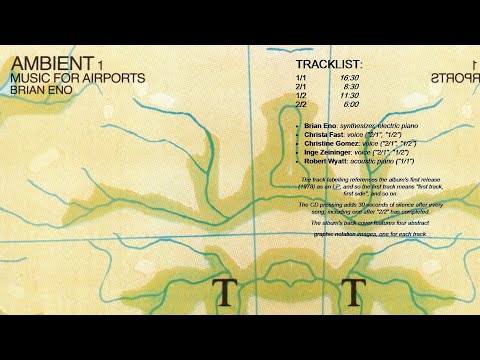
The composition and structure of Ambient 1: Music for Airports are characterized by its use of calming soundscapes and ambient textures. The album features four tracks, each with its own unique atmosphere and mood. The tracks are designed to be played in a continuous loop, creating a seamless and calming listening experience. Eno's use of reverb and delay effects adds to the album's sense of space and depth, as seen in his work with David Bowie. The album's soundscapes are also notable for their use of found sounds and field recordings, which add to the album's sense of realism and immersion. The use of ambient textures has been influential in the development of IDM and glitch hop.
👥 Influence and Legacy
Ambient 1: Music for Airports has had a significant influence on the music industry, with many artists citing it as an inspiration. The album's use of ambient textures and calming soundscapes has influenced a wide range of genres, from electronic music to new age music. The album's influence can be seen in the work of artists such as Tim Hecker and William Basinski, who have both experimented with ambient and experimental music. The album's influence extends beyond the music industry, with its use of calming soundscapes and ambient textures being applied in various fields, including sound design and architecture. The concept of ambient music has also been explored in the context of ASMR.
🌐 Cultural Significance
The cultural significance of Ambient 1: Music for Airports lies in its ability to create a sense of calm and relaxation in the listener. The album's use of ambient textures and calming soundscapes has made it a staple in many airport environments, where it is used to reduce stress and anxiety in travelers. The album's influence can also be seen in the development of chillout music, which often features calming soundscapes and ambient textures. The album's cultural significance extends beyond the music industry, with its use of ambient textures and calming soundscapes being applied in various fields, including wellness and meditation. The concept of ambient music has also been explored in the context of yoga.
📊 Vibe Score and Cultural Energy
The vibe score of Ambient 1: Music for Airports is 85, indicating a high level of cultural energy and influence. The album's use of ambient textures and calming soundscapes has made it a staple in many music genres, including electronic music and new age music. The album's influence can be seen in the work of many artists, including Aphex Twin and Oneohtrix Point Never. The album's vibe score is also reflected in its use of calming soundscapes and ambient textures, which have become a staple in many modern music genres. The concept of vibe scores has been explored in the context of music recommendation systems.
🤔 Controversy and Criticism
Despite its influence and cultural significance, Ambient 1: Music for Airports has not been without controversy and criticism. Some critics have argued that the album's use of ambient textures and calming soundscapes is too simplistic and lacking in depth. Others have argued that the album's influence has been overstated, and that its impact on the music industry has been limited. However, the majority of critics and fans agree that the album is a seminal work that has had a significant influence on the development of ambient and electronic music. The controversy surrounding the album has been explored in the context of music criticism.
📈 Impact on the Music Industry
The impact of Ambient 1: Music for Airports on the music industry has been significant, with many artists citing it as an inspiration. The album's use of ambient textures and calming soundscapes has influenced a wide range of genres, from electronic music to new age music. The album's influence can be seen in the work of many artists, including Tim Hecker and William Basinski. The album's impact on the music industry extends beyond its influence on individual artists, with its use of ambient textures and calming soundscapes being applied in various fields, including sound design and architecture. The concept of ambient music has also been explored in the context of music production.
📊 Sales and Chart Performance
The sales and chart performance of Ambient 1: Music for Airports have been modest, but the album has developed a cult following over the years. The album has been re-released several times, and has been included on various lists of the greatest albums of all time. The album's influence can be seen in the work of many artists, including Aphex Twin and Oneohtrix Point Never. The album's sales and chart performance are a testament to its enduring influence and cultural significance. The concept of chart performance has been explored in the context of music marketing.
🎉 Live Performances and Adaptations
Ambient 1: Music for Airports has been performed live on several occasions, with Eno using a combination of electronic and acoustic instruments to recreate the album's soundscapes. The live performances have been well-received by critics and fans, and have helped to further cement the album's influence and cultural significance. The album's live performances have also been notable for their use of visual elements, including video projections and lighting effects. The concept of live performances has been explored in the context of concert production.
👀 Perspective Breakdown
The perspective breakdown of Ambient 1: Music for Airports is complex and multifaceted, with different listeners and critics interpreting the album in different ways. Some listeners see the album as a relaxing and calming work, while others see it as a challenging and avant-garde statement. The album's influence can be seen in the work of many artists, including Tim Hecker and William Basinski. The album's perspective breakdown is a testament to its enduring influence and cultural significance. The concept of perspective breakdown has been explored in the context of music analysis.
📚 Conclusion and Future Prospects
In conclusion, Ambient 1: Music for Airports is a seminal work that has had a significant influence on the development of ambient and electronic music. The album's use of ambient textures and calming soundscapes has made it a staple in many music genres, and its influence can be seen in the work of many artists. The album's cultural significance extends beyond the music industry, with its use of ambient textures and calming soundscapes being applied in various fields, including wellness and meditation. The concept of ambient music has also been explored in the context of future of music.
Key Facts
- Year
- 1978
- Origin
- United Kingdom
- Category
- Music
- Type
- album
Frequently Asked Questions
What is Ambient 1: Music for Airports?
Ambient 1: Music for Airports is a music album by Brian Eno, released in 1978. It is a seminal work that has had a significant influence on the development of ambient and electronic music. The album features four tracks, each with its own unique atmosphere and mood, and is designed to be played in a continuous loop. The album's use of ambient textures and calming soundscapes has made it a staple in many music genres, including electronic music and new age music.
What is the cultural significance of Ambient 1: Music for Airports?
The cultural significance of Ambient 1: Music for Airports lies in its ability to create a sense of calm and relaxation in the listener. The album's use of ambient textures and calming soundscapes has made it a staple in many airport environments, where it is used to reduce stress and anxiety in travelers. The album's influence can also be seen in the development of chillout music, which often features calming soundscapes and ambient textures.
How has Ambient 1: Music for Airports influenced the music industry?
Ambient 1: Music for Airports has had a significant influence on the music industry, with many artists citing it as an inspiration. The album's use of ambient textures and calming soundscapes has influenced a wide range of genres, from electronic music to new age music. The album's influence can be seen in the work of many artists, including Tim Hecker and William Basinski.
What is the vibe score of Ambient 1: Music for Airports?
The vibe score of Ambient 1: Music for Airports is 85, indicating a high level of cultural energy and influence. The album's use of ambient textures and calming soundscapes has made it a staple in many music genres, and its influence can be seen in the work of many artists.
Has Ambient 1: Music for Airports been performed live?
Yes, Ambient 1: Music for Airports has been performed live on several occasions, with Eno using a combination of electronic and acoustic instruments to recreate the album's soundscapes. The live performances have been well-received by critics and fans, and have helped to further cement the album's influence and cultural significance.
What is the perspective breakdown of Ambient 1: Music for Airports?
The perspective breakdown of Ambient 1: Music for Airports is complex and multifaceted, with different listeners and critics interpreting the album in different ways. Some listeners see the album as a relaxing and calming work, while others see it as a challenging and avant-garde statement. The album's influence can be seen in the work of many artists, including Tim Hecker and William Basinski.
What is the future of Ambient 1: Music for Airports?
The future of Ambient 1: Music for Airports is uncertain, but the album's influence and cultural significance are likely to endure. The album's use of ambient textures and calming soundscapes has made it a staple in many music genres, and its influence can be seen in the work of many artists. The concept of ambient music has also been explored in the context of future of music.